
Filipino American Food: Origins and Why the Table Looks Familiar
How migration shaped Filipino American cooking—potlucks, pantry shortcuts, and dishes that feel both familiar and distinctly Filipino—and where to taste Filipino food in Quezon City.
Introduction
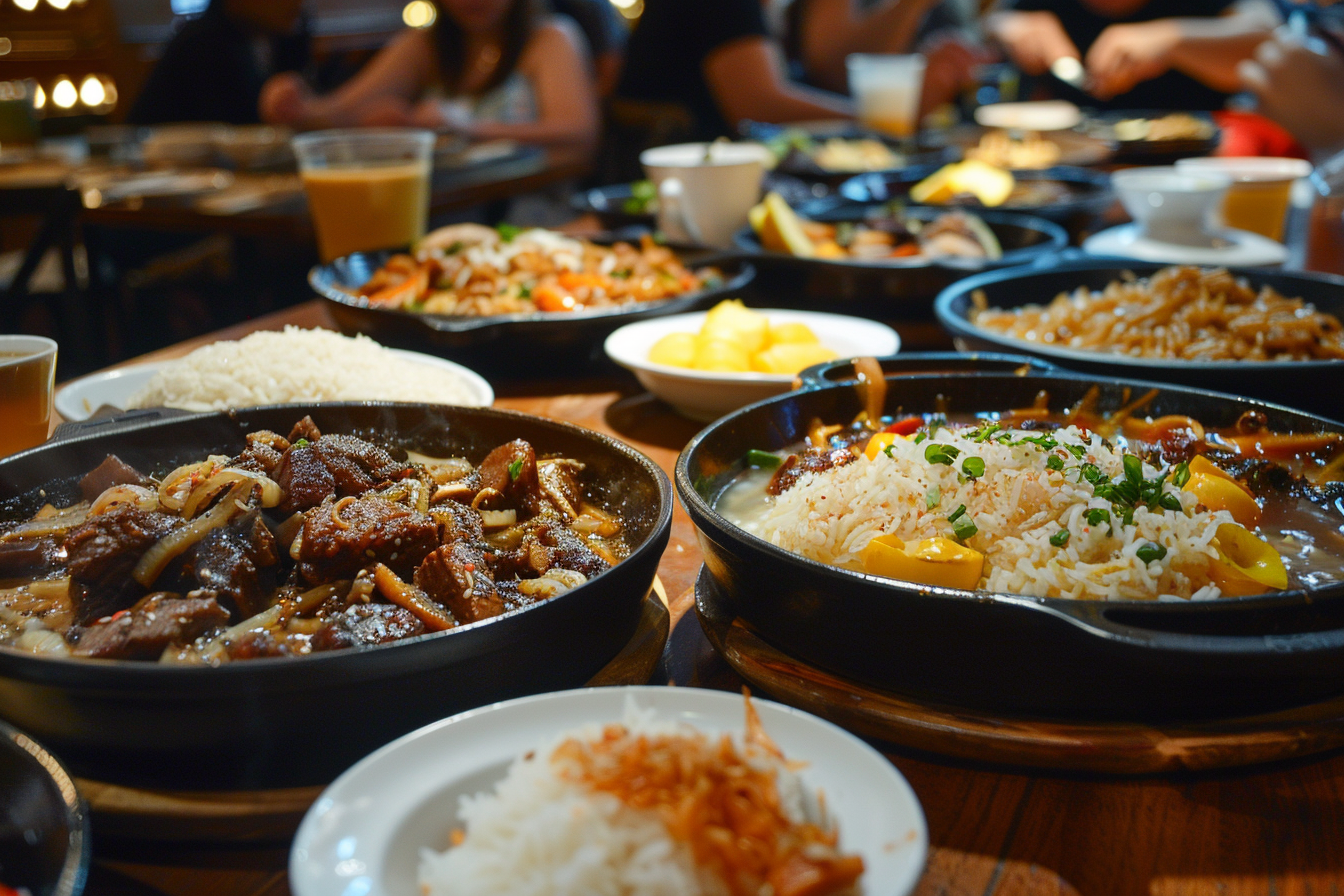
If you grew up in a Filipino American household—or you are visiting relatives who did—you have probably noticed that the spread does not always match a single "Philippines-only" script. Adobo, pancit, and lumpia sit next to sweet spaghetti, macaroni salad, and other dishes shaped by what was easy to find in U.S. supermarkets and potluck culture.
That mix reflects migration history: families carried recipes from the islands, then adapted them to new ingredients and schedules. This article sketches how that happened, what often shows up on the table, and where to find Filipino cooking in Quezon City when you are in the Philippines.
Migration and adaptation
Large-scale migration from the Philippines to the United States grew across the 20th century through work programs, military ties, and family reunification. Filipino communities formed in Hawaii, California, and other states; churches, schools, and backyards became venues for parties where trays of lumpia and pansit fed a crowd.
In American kitchens, cooks reached for familiar flavors but swapped ingredients—ketchup-forward spaghetti, canned soup in stews, or evaporated milk in desserts—because that was what was affordable and available. The result is not "less authentic"; it is a documented pattern of diaspora cooking everywhere.
What Filipino American cooking often emphasizes
Comfort and celebration
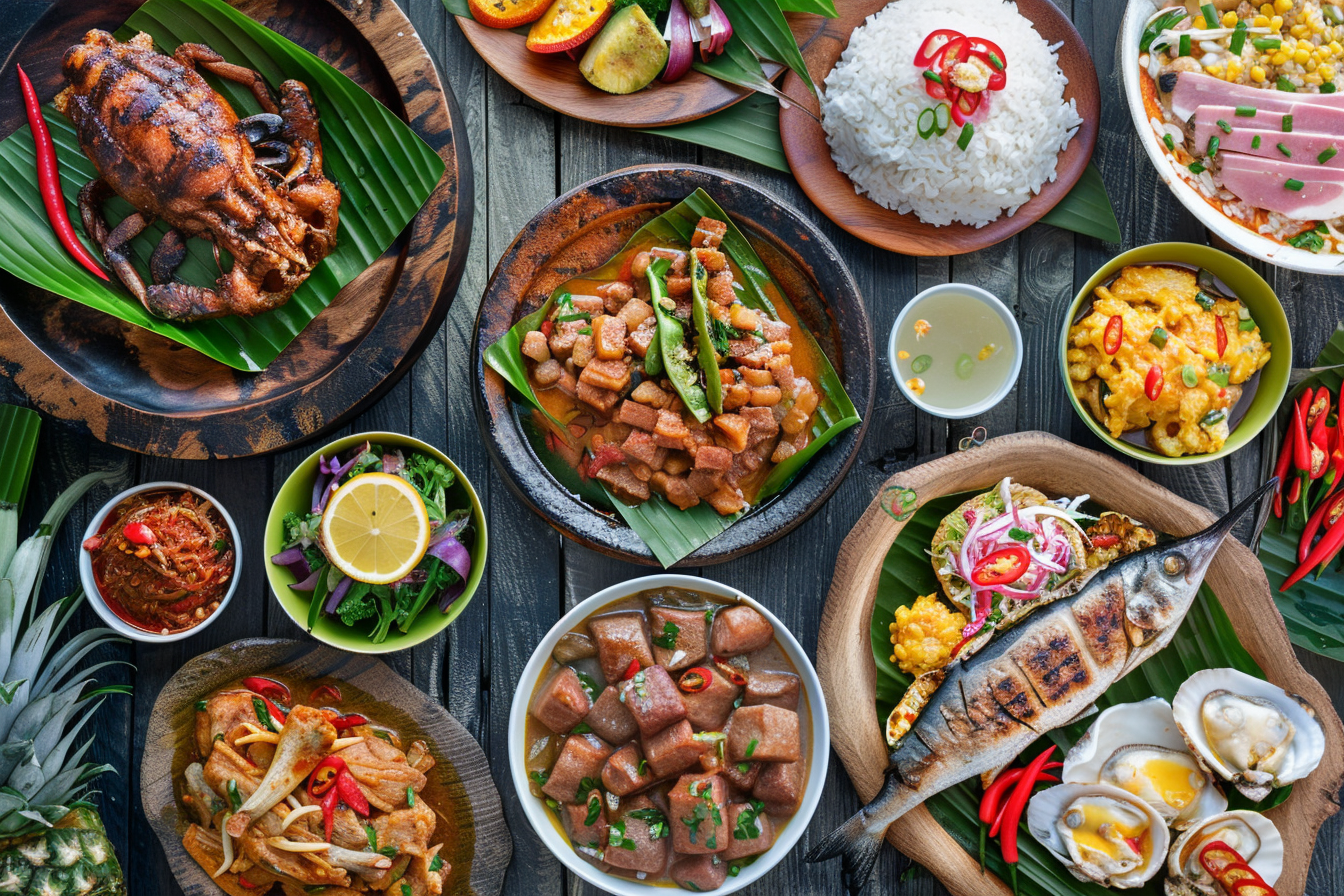
Many families center gatherings on lechon or roast pork when budget allows, pancit for long noodles at birthdays, and lumpia because it travels well in foil trays. Sweet-style spaghetti is common at kids’ parties—not as a stand-in for Italian pasta, but as its own tradition.
Practical shortcuts
Sheet pans, slow cookers, and make-ahead marinades matter when you are feeding relatives after work. The goal is generosity and enough food for guests to take home—a habit that mirrors hospitality in the Philippines, expressed with U.S. pantry staples.
Dishes you will see again and again
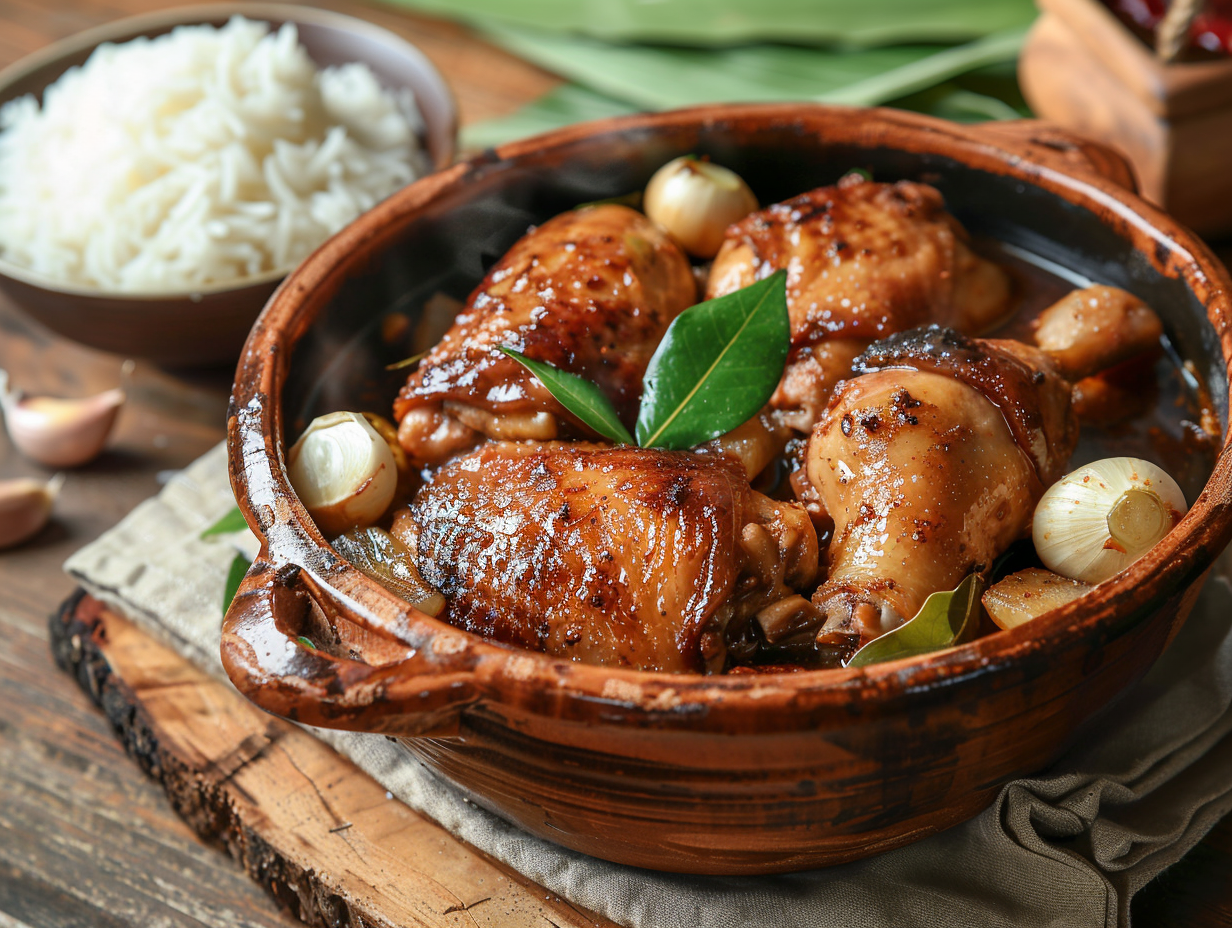
Adobo and sinigang remain emotional anchors: vinegary, garlicky adobo keeps well for packed lunches; sinigang offers a hot, sour soup that feels restorative.
Pancit varieties show up in foil pans; BBQ skewers and grilled meats borrow from both street-food memory and backyard cookout culture.
Baked goods and sweets—ube cakes, leche flan, ensaymada—often draw from Filipino bakeries in diaspora hubs. Tastes vary by family; the through-line is sharing rather than rigid plating.
Gatherings and hospitality
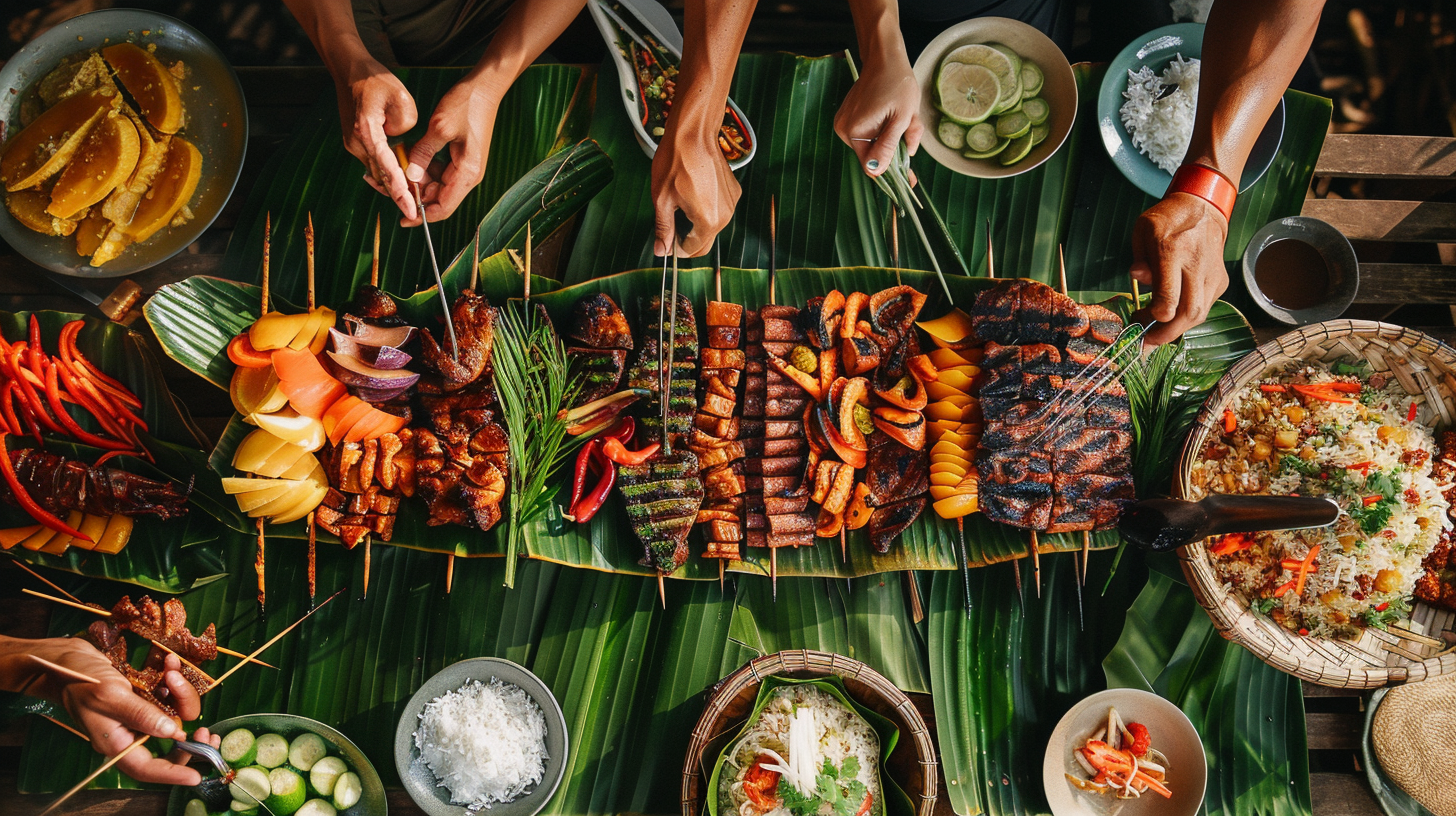
Filipino American hospitality often means abundance: more food than the table needs, take-home containers, and gentle insistence that guests eat "just a little more." Refusing outright can feel awkward; accepting small portions usually lands better than a flat no.
If you are new to these gatherings, ask what to bring—drinks, ice, or a simple dessert are welcome. When in doubt, follow the host’s lead on pacing; meals can run long because conversation matters as much as the menu.
In Quezon City: homeland-style tables (not a U.S. potluck)
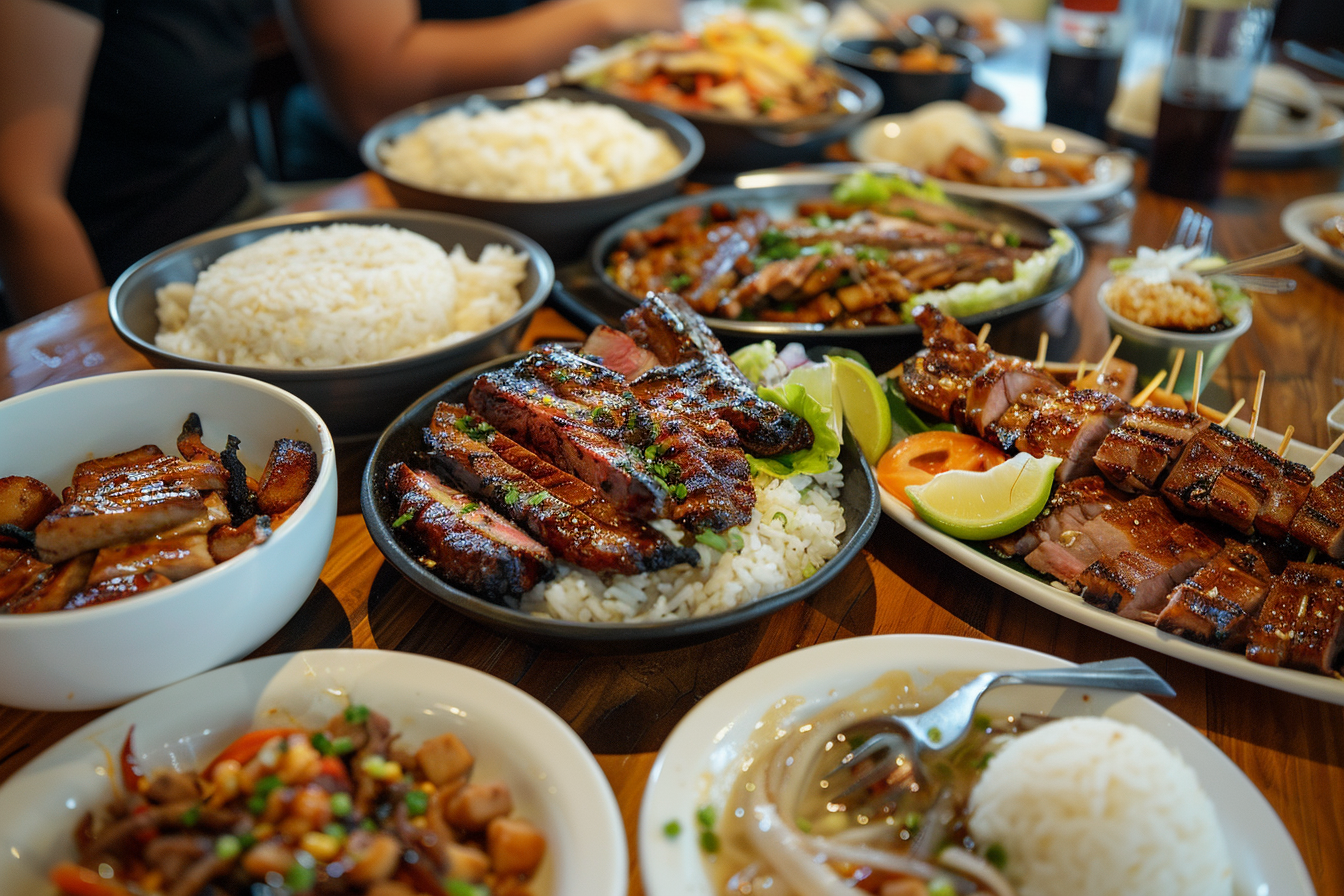
This article is about Filipino American history; these picks are in the Philippines. They are useful if you want heritage Filipino cooking and a widely recognized brand many diaspora families still name when they fly home—not a literal copy of a California potluck.
Romulo Café leans on family-recipe classics in a dressed-up room; Max's—Matalino is the fried-chicken-and-banana-ketchup experience people argue about in both countries. For more: Filipino restaurants, Tomas Morato, Maginhawa, editor picks, directory.
Frequently Asked Questions
What is Filipino American food?
It is the cooking of Filipino communities in the United States: homeland dishes adapted to U.S. ingredients, plus celebration foods that evolved in diaspora kitchens and restaurants.
How is it different from food in the Philippines?
Many recipes overlap, but diaspora cooking leans on local supermarket items, larger ovens, and potluck formats. Some dishes—like very sweet spaghetti—are far more common in Filipino American party spreads than in everyday provincial meals.
Why does sweet spaghetti appear so often?
It became a party staple through Filipino fast-food and home-cooking tradition: banana ketchup, sweet sauce, and hot dog or sausage pieces are familiar flavor markers, separate from Italian-style pasta.
Where can I try Filipino food in Quezon City?
Neighborhoods such as Tomas Morato and Maginhawa have dependable Filipino restaurants. For heritage classics and a widely known fried-chicken chain, see the short list in this article; otherwise browse our directory and ask staff what is best that day.
Sources
Where to eat next
Listed spots match this guide’s topic using live cuisine tags in our directory. If something looks off, tell us.
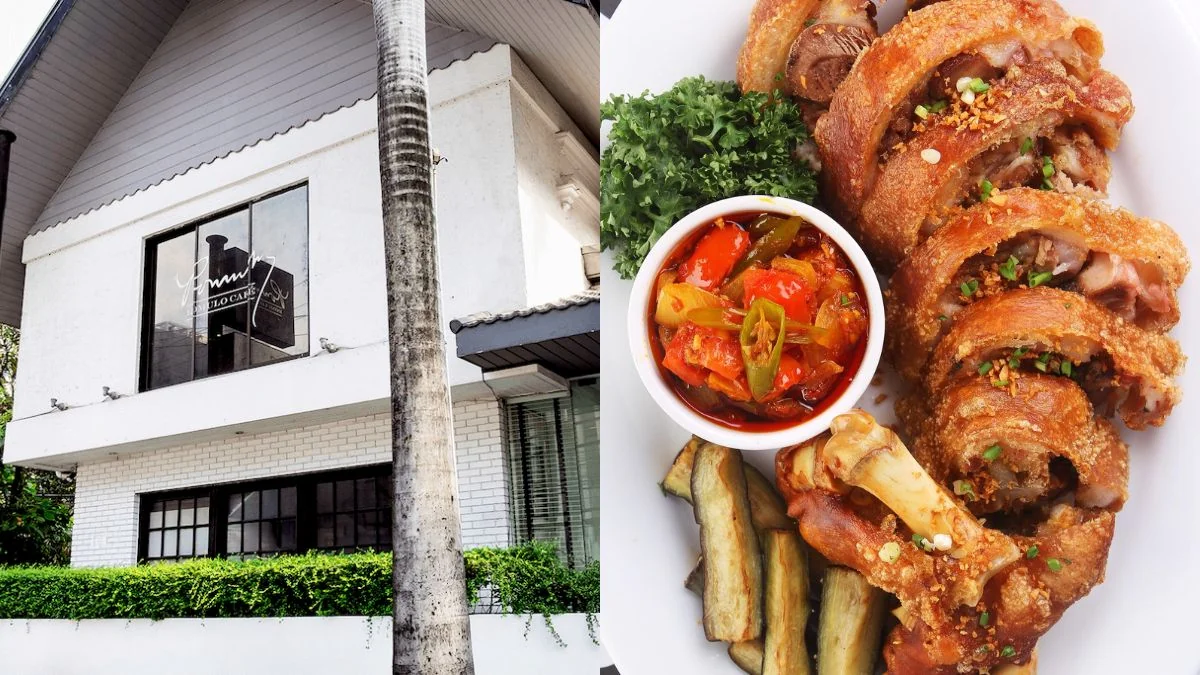
Romulo Café
Tomas Morato · ₱₱ · Filipino
★ 4.4
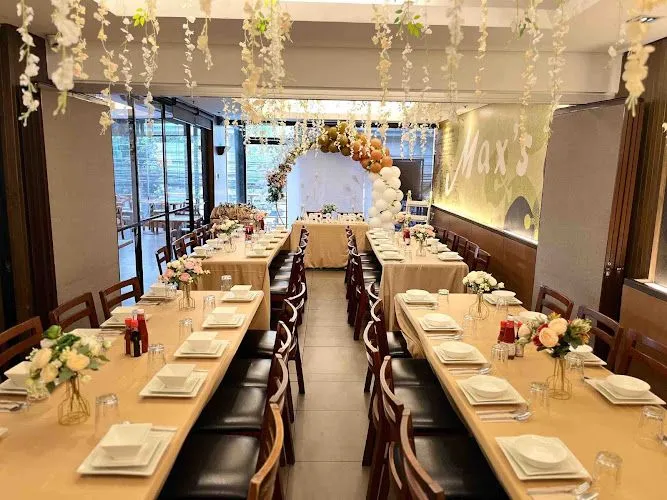
Max's Restaurant - Matalino
Maginhawa · ₱₱ · Filipino
★ 4.2
Shortlist in Quezon City — openings and menus change; confirm hours before you go.

Written by Zachary Siecinski
Lead food writer · Restaurants Quezon City
Zach has been covering the Quezon City dining scene since 2018, with a focus on fair, practical recommendations — what to order, what it costs, who it suits, and what to skip. He writes the neighbourhood guides, best-of lists, and in-depth restaurant reviews.
More Articles
Filipino Cuisine: History, Regions, and What to Order First
How Philippine food developed over time—from island staples to trade and colonial layers—and a short list of reliable first orders in Quezon City.
Filipino Dining Culture and Customs
Filipino dining culture — kamayan, communal eating, merienda and pulutan, and where to experience authentic Filipino dining in Quezon City.
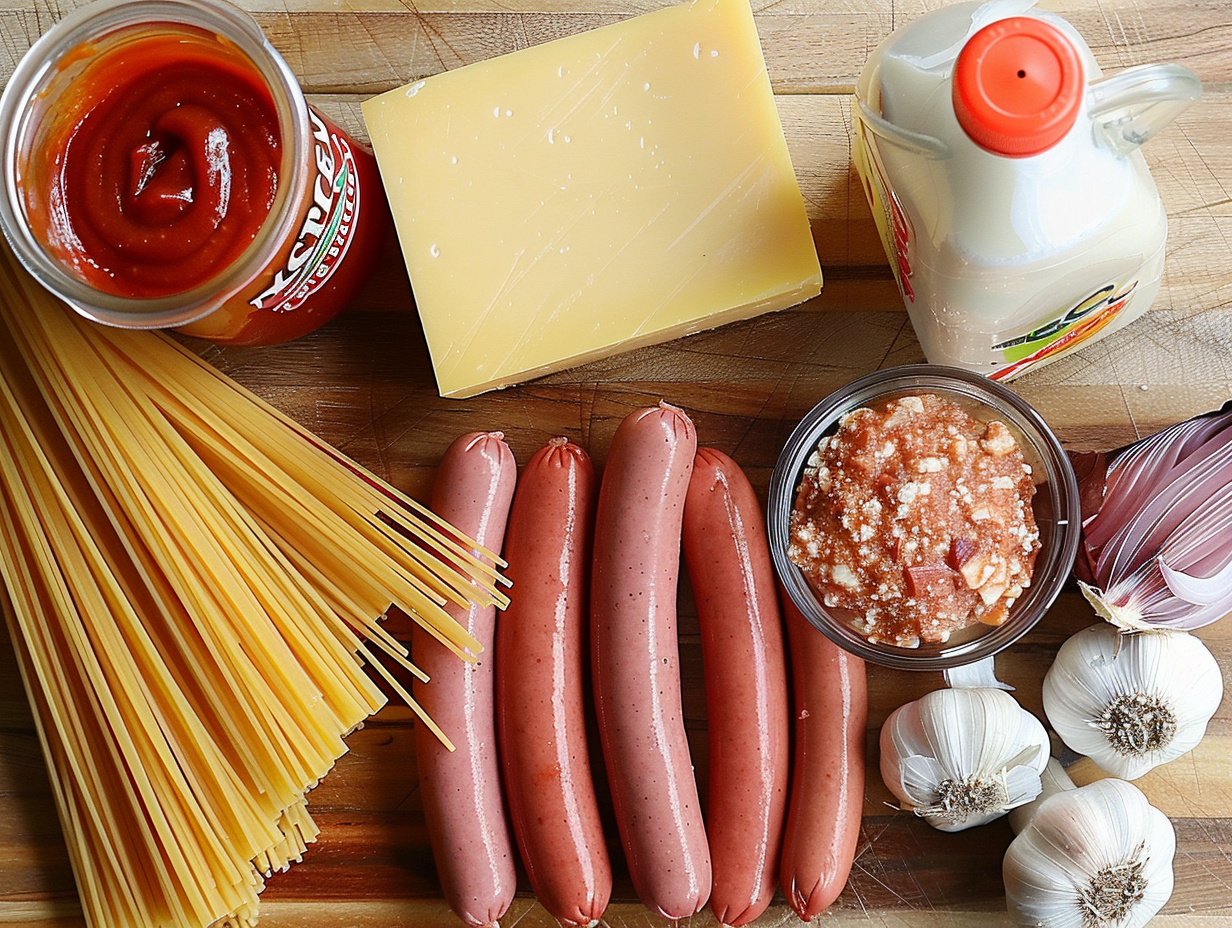
Filipino Spaghetti: Sweet Style, Parties, and How It Got This Way
What makes Filipino spaghetti different from Italian pasta, why it is a birthday-plate staple, and where to find Filipino comfort food in Quezon City.
Manila Food Culture: Street Life, Chinatown, and Everyday Rhythms
How Manila eats—from Binondo noodles to mall food courts—and where to explore Filipino and Filipino-Chinese comfort food in Quezon City.