
Filipino Spaghetti: Sweet Style, Parties, and How It Got This Way
What makes Filipino spaghetti different from Italian pasta, why it is a birthday-plate staple, and where to find Filipino comfort food in Quezon City.
Introduction
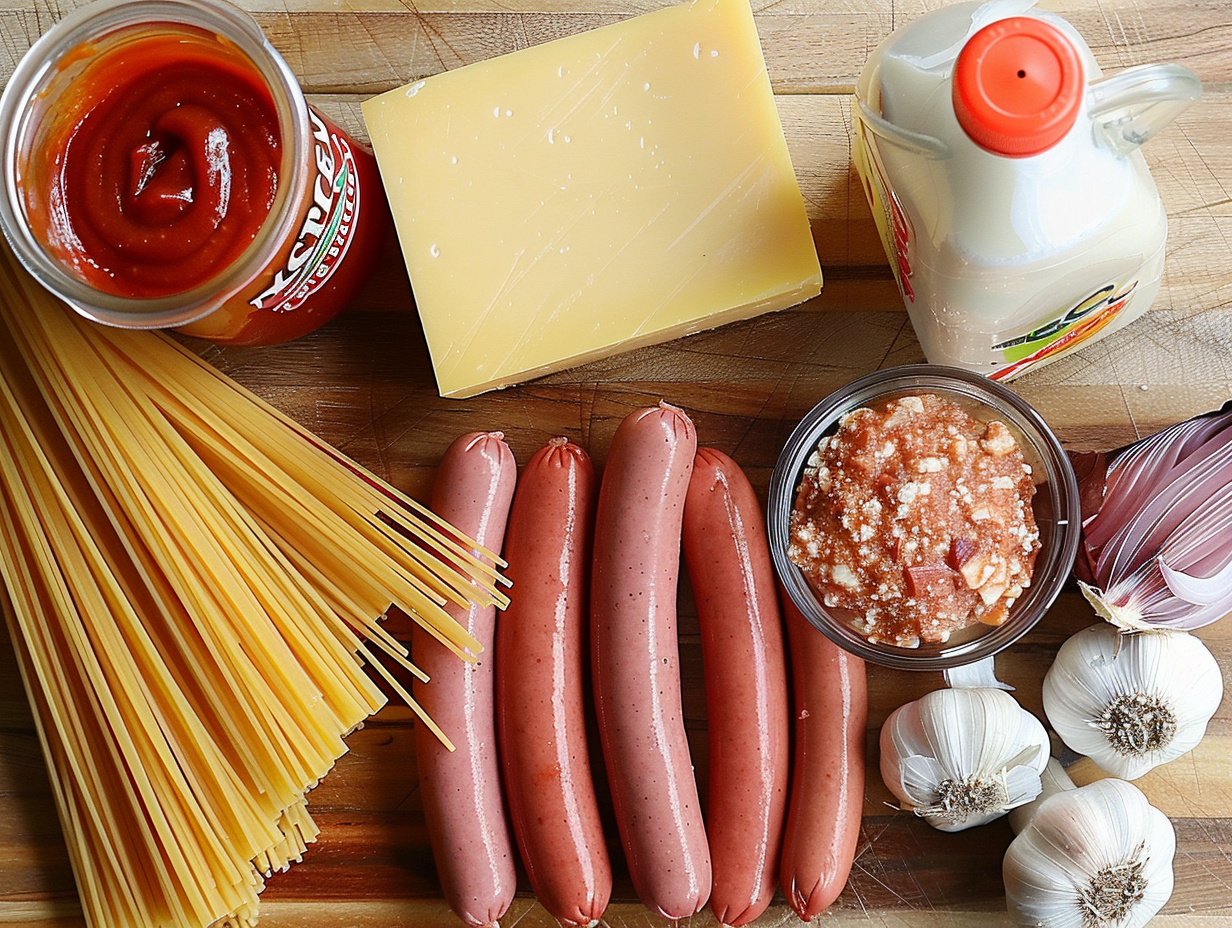
Filipino spaghetti is easy to spot: a sweet, bright-red sauce, often with sliced hot dogs or sausage, sometimes showered with quick-melt cheese. It is rarely trying to taste like Rome or Naples—and that is the point.
The dish grew from American-era canned goods and local tastes for sweet-savory balance. Today it is a fixture at kids’ birthdays and family parties. Below, a calm look at what is in the bowl, how it differs from Italian-American red sauce, and where to sit down for Filipino comfort food in Quezon City if you want spaghetti alongside classic ulam.
What is in the bowl
Most versions start with a sweet tomato base—often banana ketchup or a mix of tomato sauce and sugar—plus garlic, onion, and ground meat. Hot dogs or longganisa-style slices add salt and chew; cheese on top is common.
That profile is closer to a Filipino party memory than to Italian ragù or aglio e olio. Treating it as its own category prevents the usual disappointment of expecting something it was never meant to be.
Why it reads as "Filipino," not Italian
Sweet-savory balance
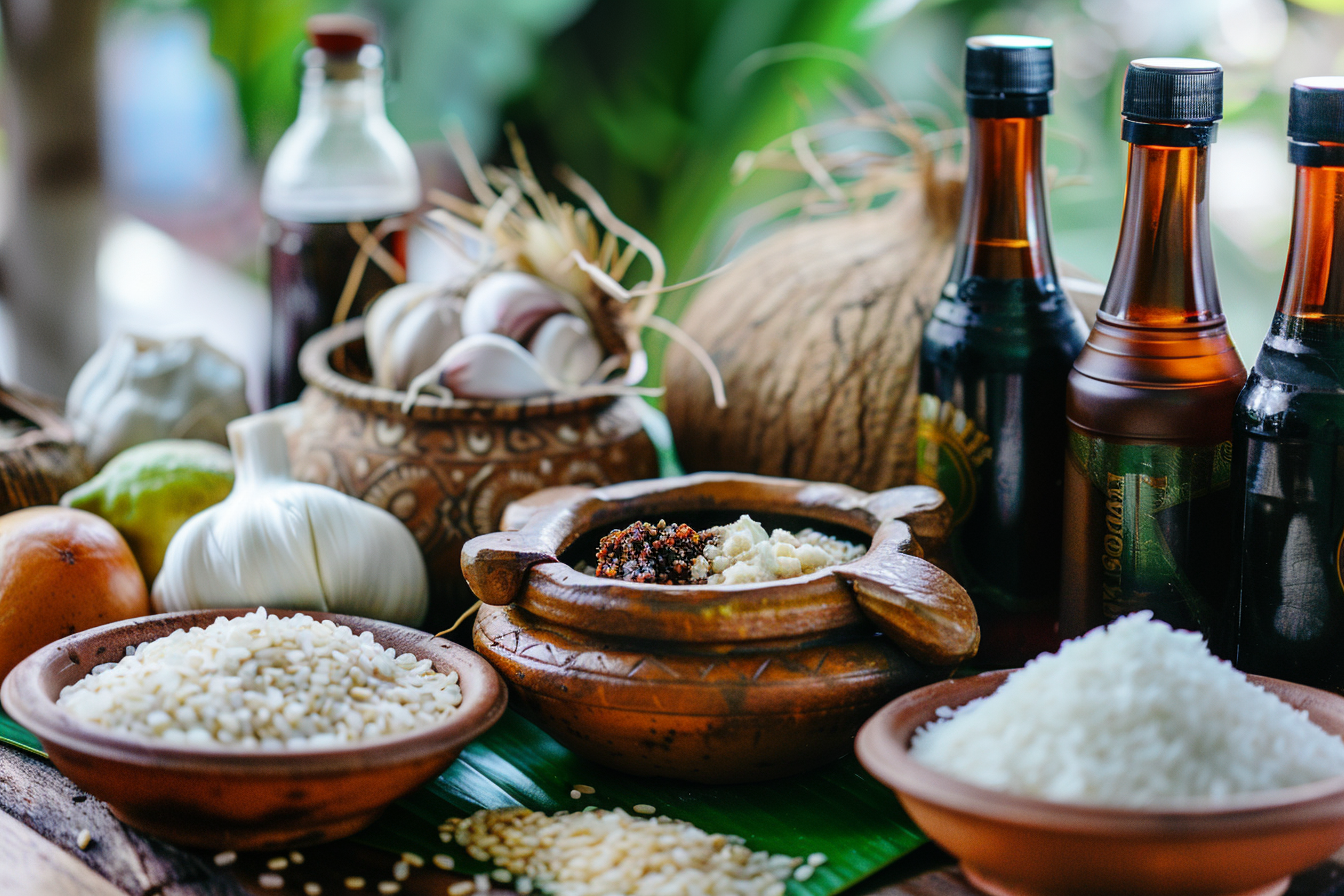
Filipino palates often pair sugar with meat and sauce in ways European-Italian traditions do not. The spaghetti follows that logic.
Fast-food and home versions
Chains popularized the style for birthdays and merienda; home cooks adapted the same flavors for big aluminum trays. Accessibility mattered as much as tradition.
Serving it with other Filipino dishes
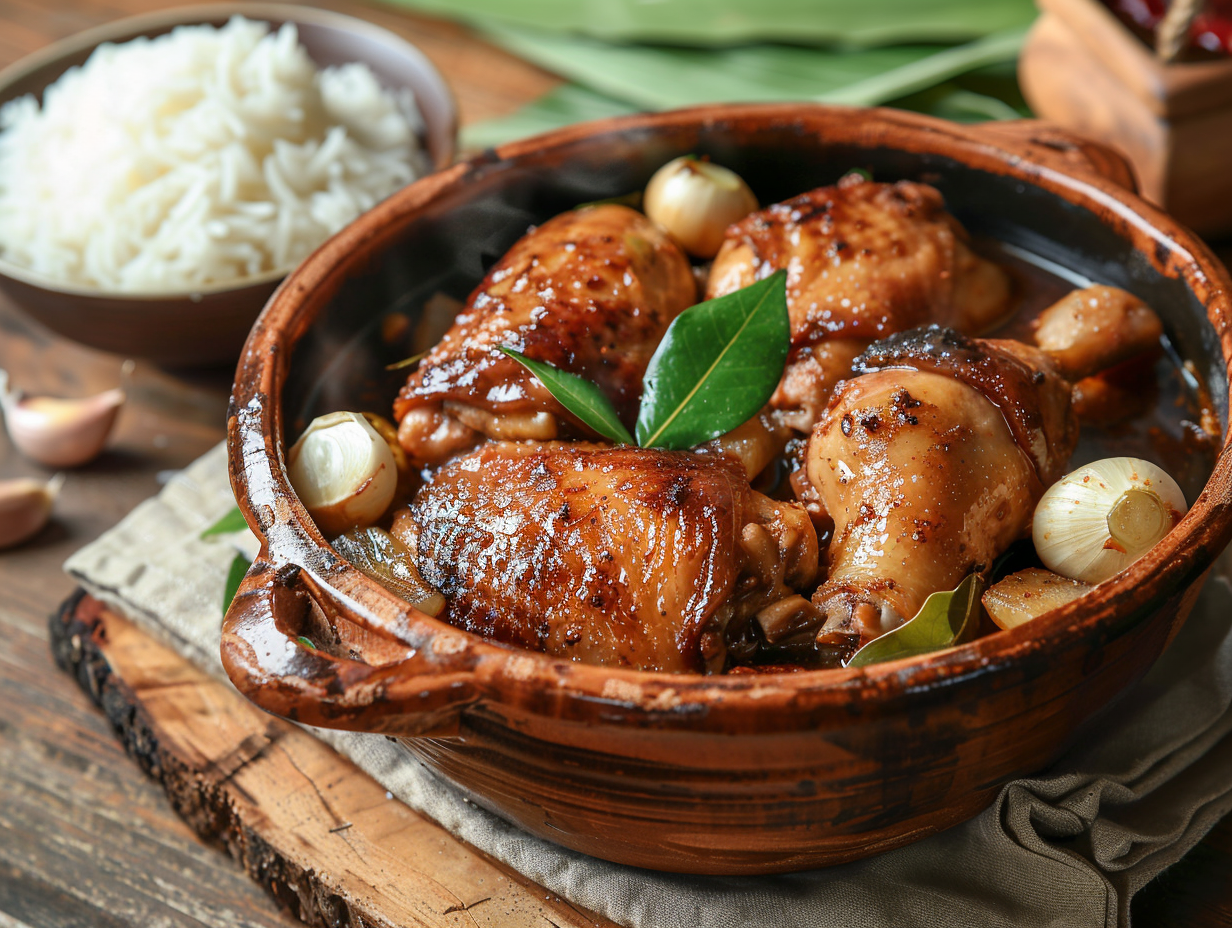
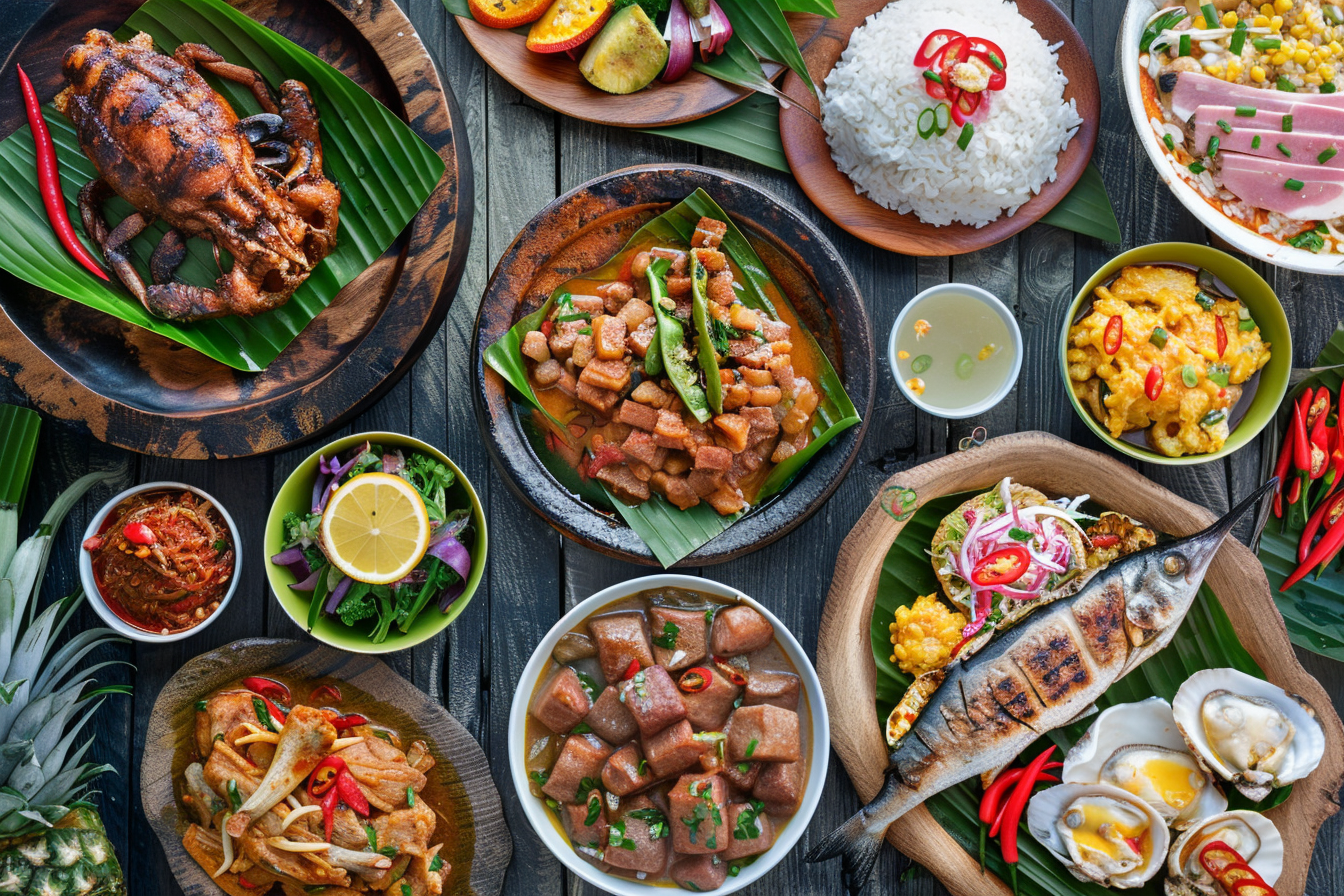
At parties, spaghetti often sits beside fried chicken, lumpia, and pancit—each dish plays a different role. If you order out, pairing sweet spaghetti with a simple grilled item or vegetables can balance the plate.
For elders or guests who prefer milder sauces, ask whether the kitchen can reduce sweetness or serve sauce on the side; not every restaurant will, but it is a reasonable question.
Dining context
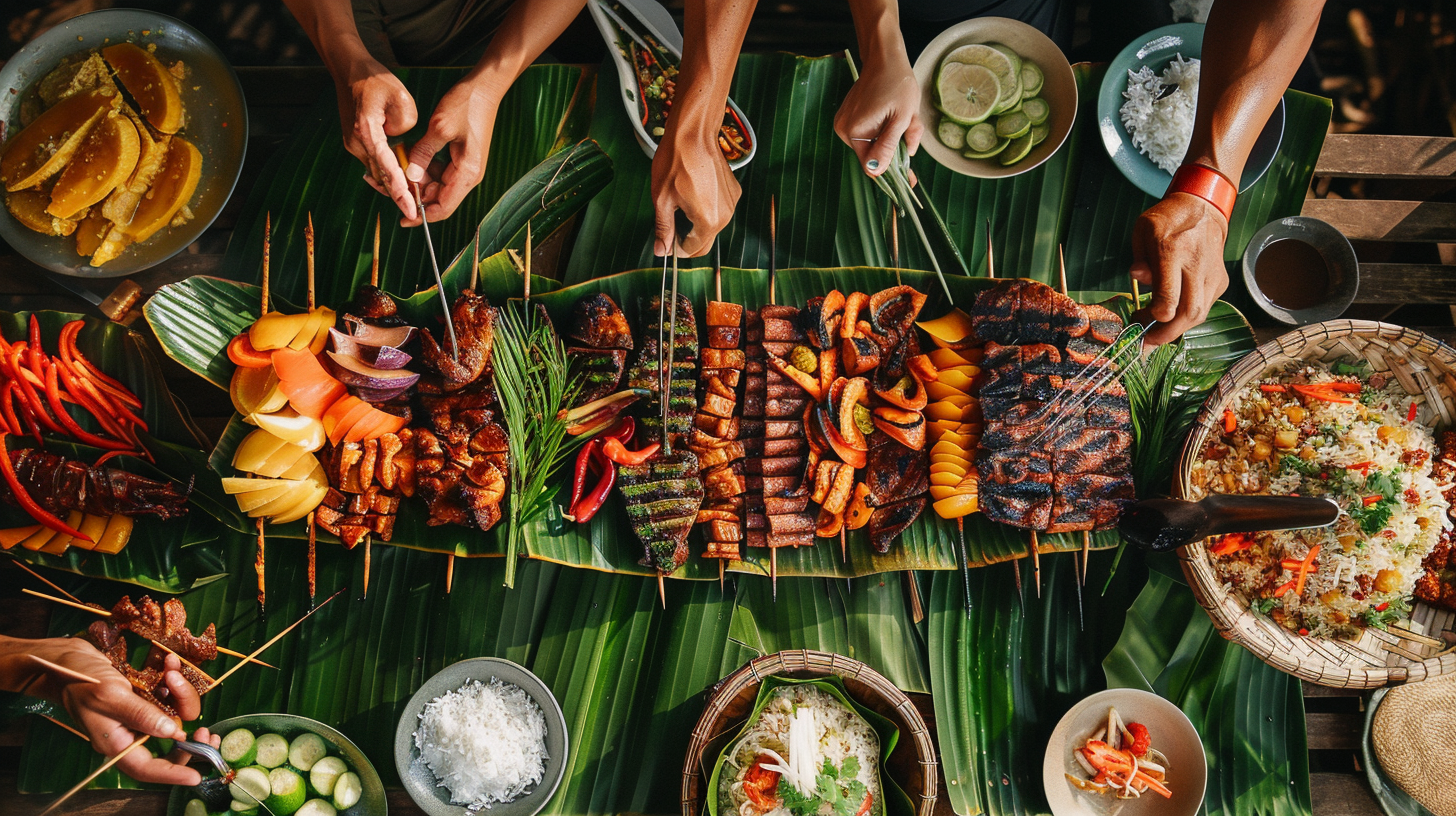
Filipino spaghetti is casual food: birthdays, office gatherings, and family meals. It is not typically a course in a formal tasting menu. Share trays if you order for a group, and expect leftovers to taste fine the next day—many people like it cold from the fridge.
Where to Explore Filipino Food in Quezon City
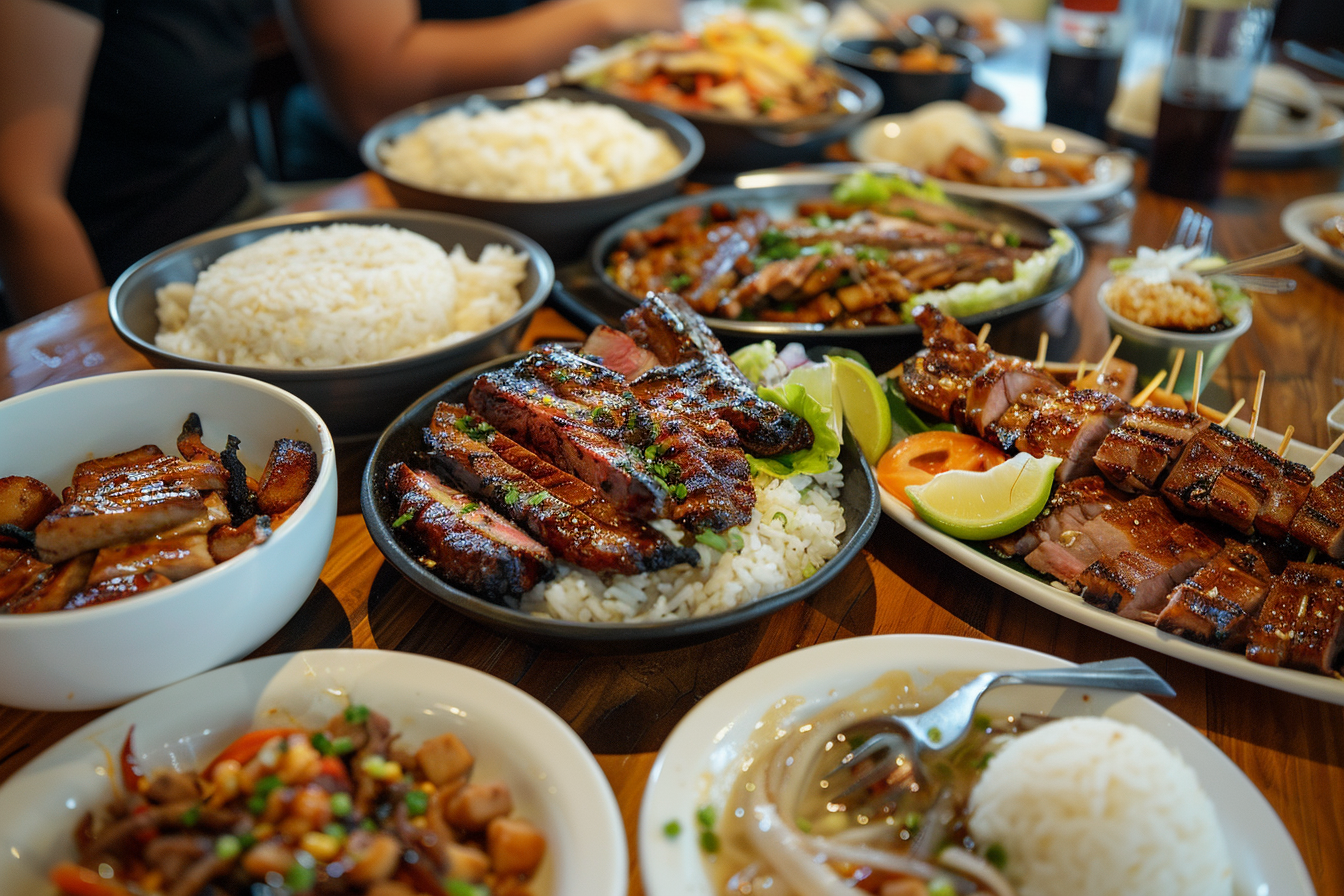
Two Filipino restaurants in Quezon City where sweet spaghetti and party-style comfort food are easy to order alongside other classics—an editorial short list, not a full survey.
Neighborhoods like Banawe, Tomas Morato, and Maginhawa offer strong options. Explore our Filipino restaurants, Banawe restaurants, Tomas Morato restaurants, Top picks, restaurant directory for more options across Quezon City.
Frequently Asked Questions
Is Filipino spaghetti supposed to be sweet?
Yes—that sweetness is part of the style, balanced with salty meat and cheese. It is a different dish from Italian pasta traditions.
Why hot dogs in the sauce?
They are an affordable, familiar protein that cooks quickly and reads clearly in a sweet sauce—common in both home and fast-food versions.
Where can I try it in Quezon City?
Many Filipino restaurants serve spaghetti alongside other comfort plates. The picks below focus on dependable Filipino dining; ask if spaghetti is available if it is not listed online.
Can I ask for less sugar?
Some kitchens can adjust. It helps to ask politely when you order, especially for seniors who prefer milder sauces.
Sources
Where to eat next
Listed spots match this guide’s topic using live cuisine tags in our directory. If something looks off, tell us.
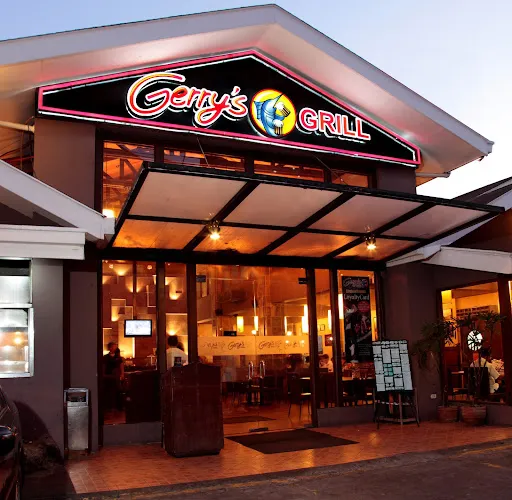
Gerry's Tomas Morato (Gerry's Grill)
Tomas Morato · ₱₱ · Filipino
★ 4.8
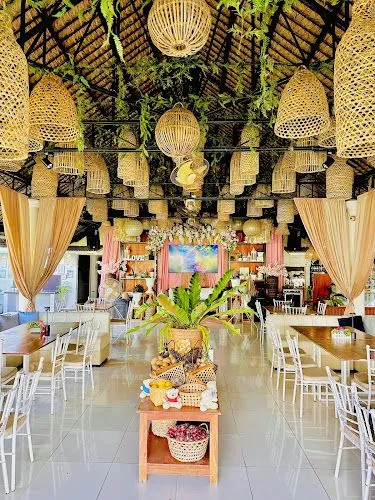
Grace Park Dining by Margarita Forés - Gateway Mall 2
Cubao · ₱₱ · Filipino
★ 4.8
Shortlist in Quezon City — openings and menus change; confirm hours before you go.

Written by Zachary Siecinski
Lead food writer · Restaurants Quezon City
Zach has been covering the Quezon City dining scene since 2018, with a focus on fair, practical recommendations — what to order, what it costs, who it suits, and what to skip. He writes the neighbourhood guides, best-of lists, and in-depth restaurant reviews.
More Articles
Filipino American Food: Origins and Why the Table Looks Familiar
How migration shaped Filipino American cooking—potlucks, pantry shortcuts, and dishes that feel both familiar and distinctly Filipino—and where to taste Filipino food in Quezon City.
Filipino Cuisine: History, Regions, and What to Order First
How Philippine food developed over time—from island staples to trade and colonial layers—and a short list of reliable first orders in Quezon City.
Filipino Dining Culture and Customs
Filipino dining culture — kamayan, communal eating, merienda and pulutan, and where to experience authentic Filipino dining in Quezon City.
Manila Food Culture: Street Life, Chinatown, and Everyday Rhythms
How Manila eats—from Binondo noodles to mall food courts—and where to explore Filipino and Filipino-Chinese comfort food in Quezon City.