
Philippine Adobo: Origins, Variations, and What to Order
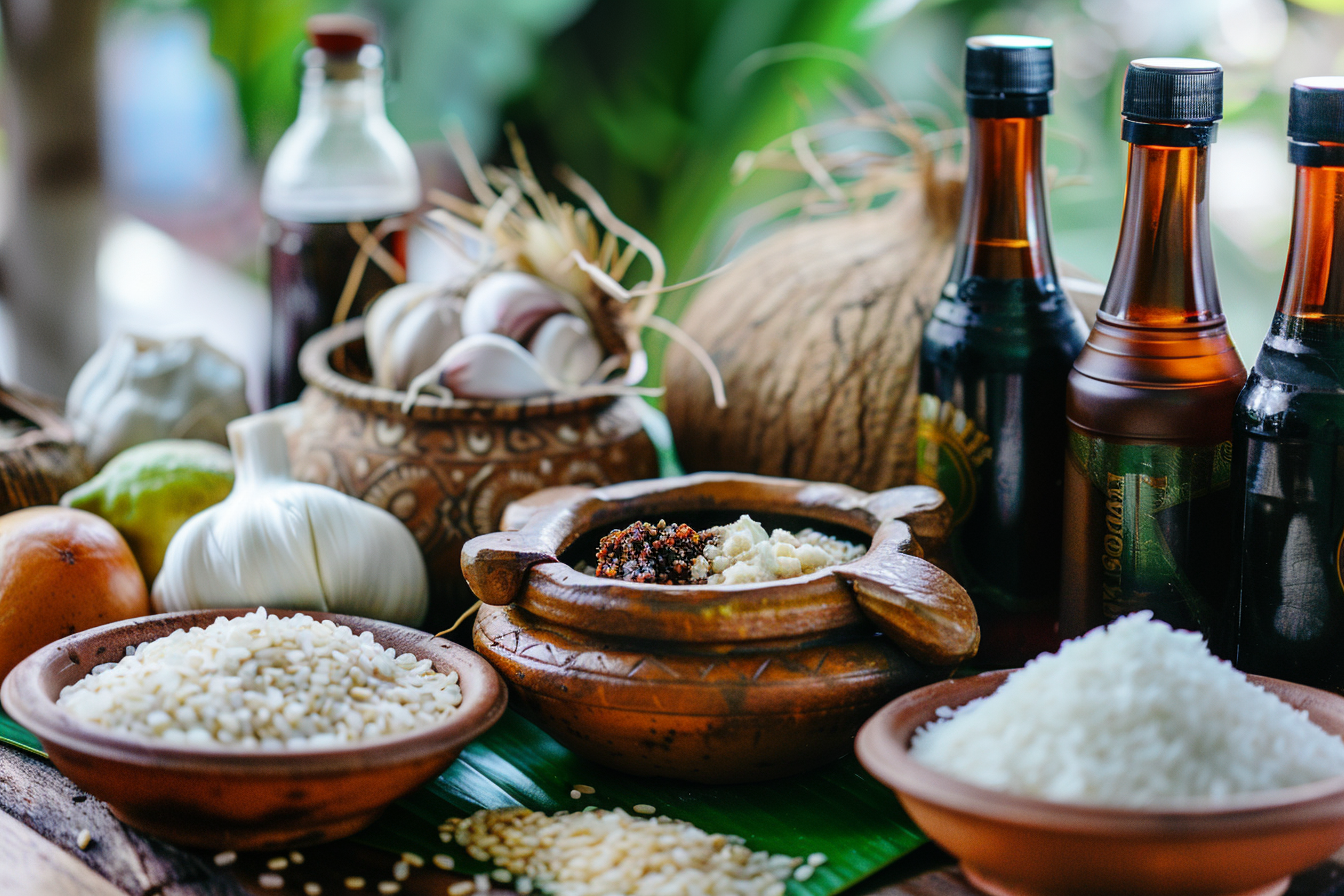
How adobo works as a cooking method, why recipes differ by household, and where to try it in Quezon City.
Introduction
Adobo is less a single recipe than a reliable technique: meat or vegetables simmered with vinegar, usually soy sauce, plenty of garlic, and bay leaves until tender. Almost every Filipino cook has a version.
The Spanish word adobar referred to marinating or seasoning; in the Philippines the name stuck to this vinegar-forward braise. Below: how it likely took shape, how regions tweak it, and practical tips for ordering or cooking it without fuss.
Historical Influences
Vinegar braising has deep roots in the Philippines as a way to preserve and flavor food in a tropical climate. Soy sauce became common after Chinese trade; Spanish contact added vocabulary and some techniques, but the core idea—sour, salty, garlicky—is widely treated as Filipino home cooking.
Today you will see white adobo (no soy), coconut-milk adobo in some areas, and "dry" adobo cooked down until almost fried in its own fat. The flexibility is the point.
Regional notes (without rigid rules)
Luzon
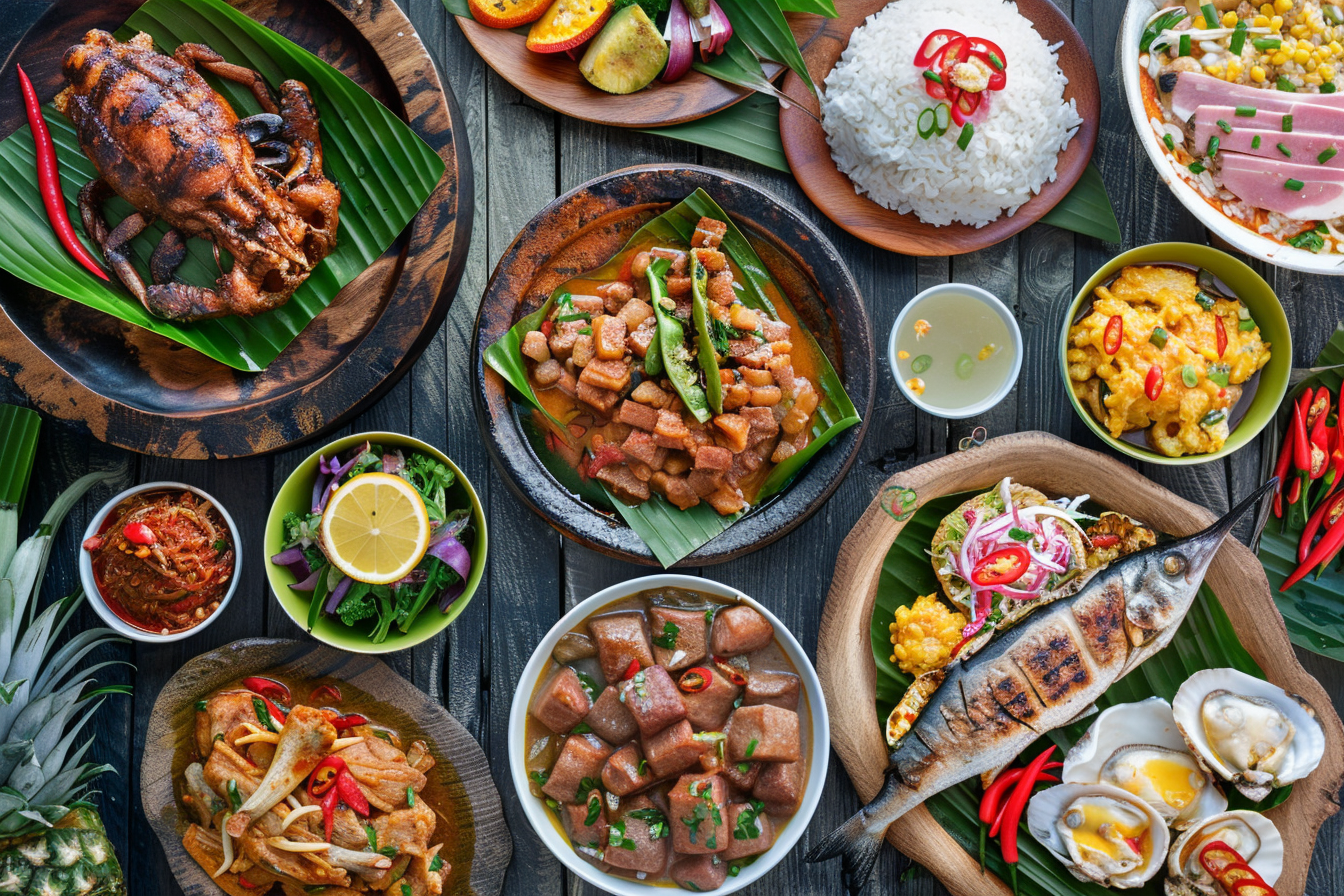
Often soy-forward with a clear sauce; some families add sugar for balance.
Visayas and Mindanao
Coconut milk or turmeric shows up in certain provinces; protein choices follow local preference—seafood adobo near the coast, for example.
Restaurants in Metro Manila and Quezon City may blend styles; asking how a place prepares theirs is fair.
Ordering and cooking tips
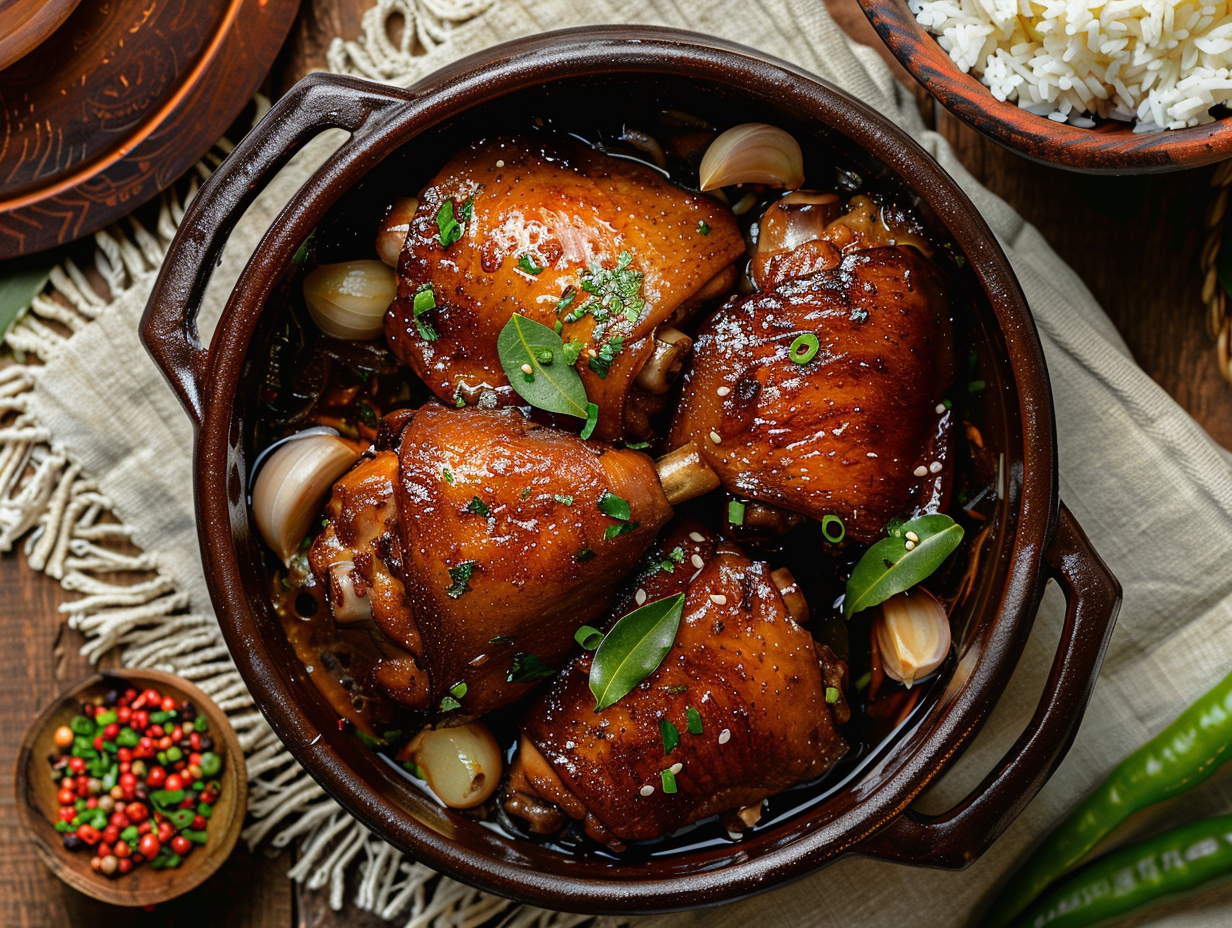
For dining out: Ask whether the adobo is saucy or dry, and whether it leans tart or mellow. If you prefer less salt, request extra rice or vegetables to balance.
For home cooks: Taste early; vinegar mellows as it cooks. Leftovers often taste better the next day—flavors meld overnight.
Adobo keeps well, which is why it is a practical dish for planners and busy households.
Dining Culture
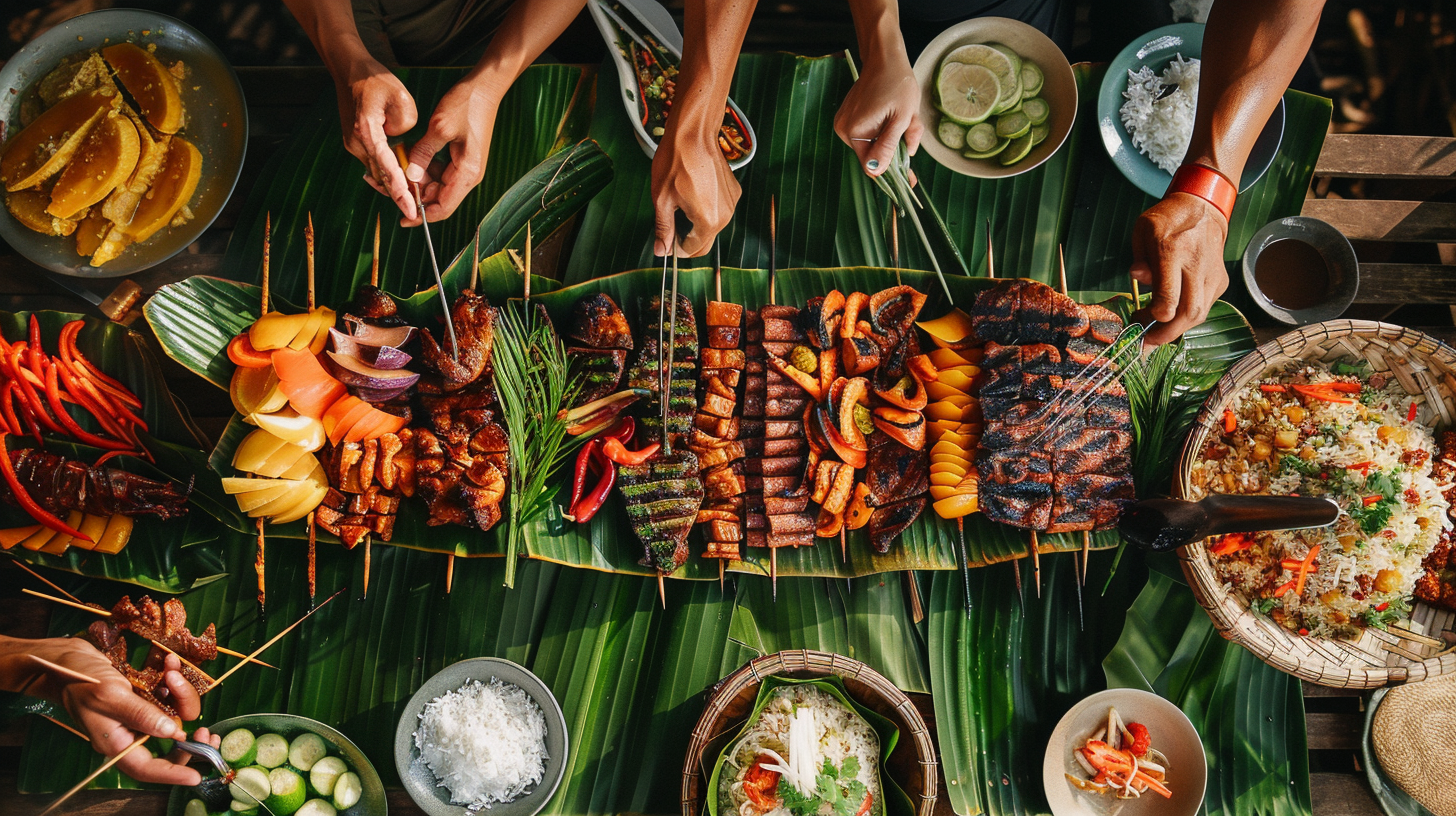
Adobo fits the Filipino table because it is shareable, forgiving, and easy to stretch with rice. Serving it family-style matches how many people eat in the Philippines: a few ulam, plenty of rice, and simple vegetables on the side.
If you are dining with elders, softer braised cuts or bone-in pieces that stay moist are often appreciated—worth asking when you reserve or order.
Where to order adobo and other Filipino braises in Quezon City
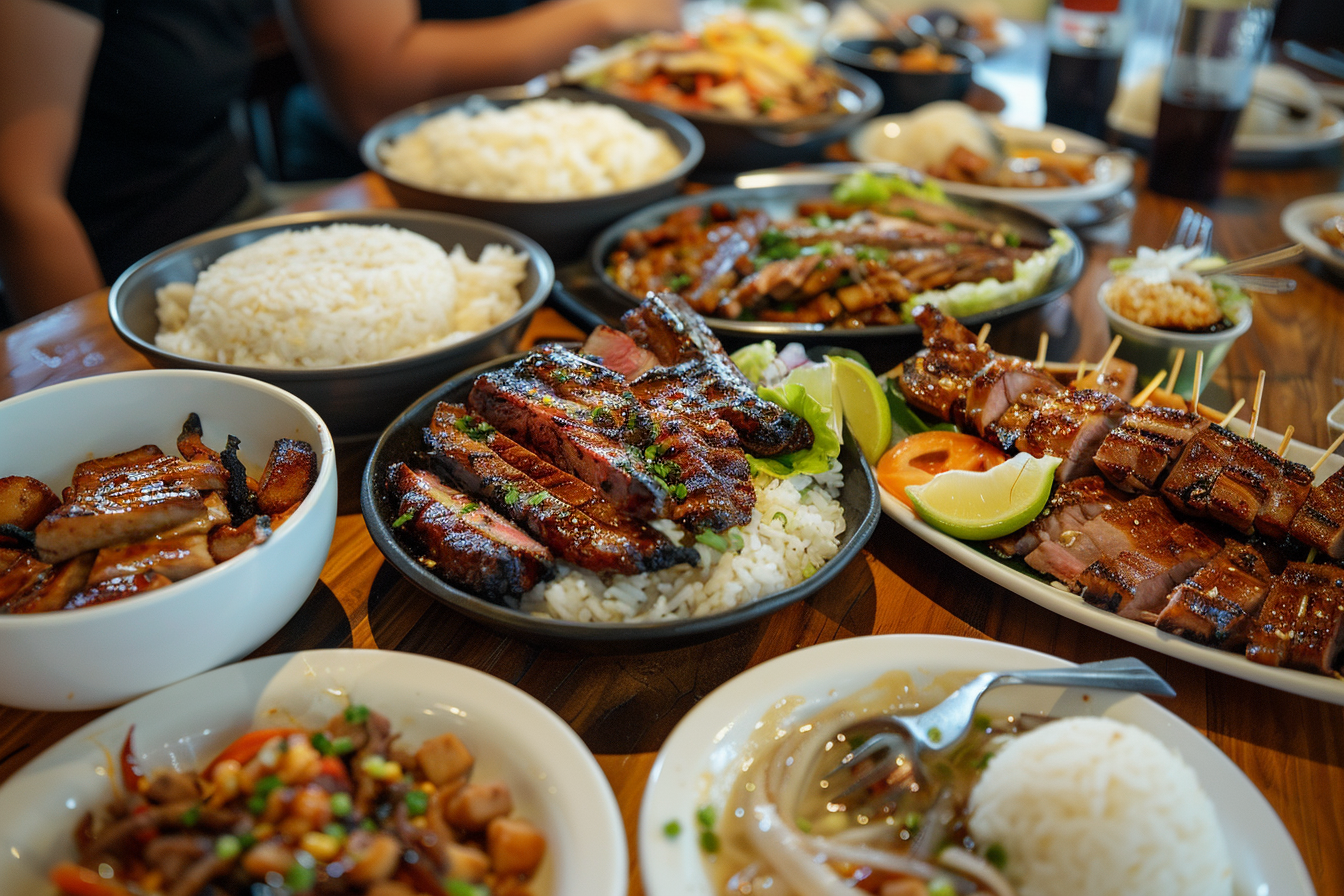
Adobo is a home-cook's dish first; restaurants interpret it differently. We keep this list to two: a Beloved casual name on Retiro (deep Filipino flavor memory) and Max's near the Circle—an easy-to-find family chain where adobo-style pork or chicken often sits beside the fried chicken everyone orders. Always confirm the day's menu.
More: Filipino restaurants, Banawe, Tomas Morato, Maginhawa, directory.
Frequently Asked Questions
Is Filipino adobo the same as Mexican adobo?
No. They share a Spanish-derived name, but Filipino adobo is a vinegar-soy braise; Mexican adobo is a different sauce tradition.
Can adobo be made without soy sauce?
Yes—"white" adobo uses salt and vinegar; some regions lean on patis (fish sauce) instead.
Why does my adobo taste sharp?
Vinegar is assertive early; longer simmering rounds it out. Some cooks add a little sugar or coconut milk depending on style.
Where to try adobo in Quezon City?
Filipino restaurants across Banawe, Tomas Morato, and Maginhawa regularly serve it. This article suggests The Original Pares Mami House Retiro for casual depth of flavor and Max's Restaurant (Tomas Morato) as a widely available family chain—confirm adobo is on offer when you visit.
Sources

Written by Zachary Siecinski
Lead food writer · Restaurants Quezon City
Zach has been covering the Quezon City dining scene since 2018, with a focus on fair, practical recommendations — what to order, what it costs, who it suits, and what to skip. He writes the neighbourhood guides, best-of lists, and in-depth restaurant reviews.
More Articles
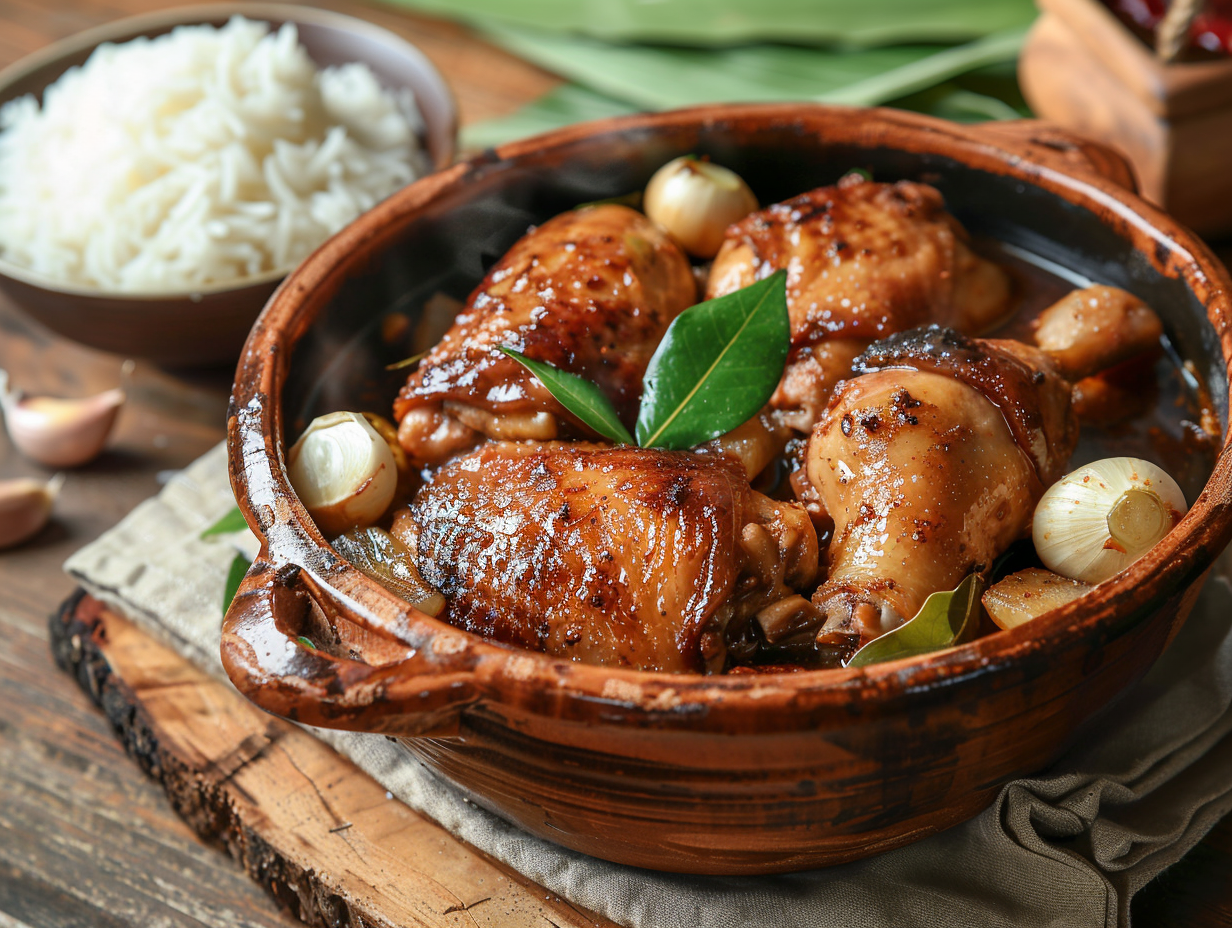
Filipino American Food: Origins and Why the Table Looks Familiar
How migration shaped Filipino American cooking—potlucks, pantry shortcuts, and dishes that feel both familiar and distinctly Filipino—and where to taste Filipino food in Quezon City.
Filipino Cuisine: History, Regions, and What to Order First
How Philippine food developed over time—from island staples to trade and colonial layers—and a short list of reliable first orders in Quezon City.
Filipino Dining Culture and Customs
Filipino dining culture — kamayan, communal eating, merienda and pulutan, and where to experience authentic Filipino dining in Quezon City.
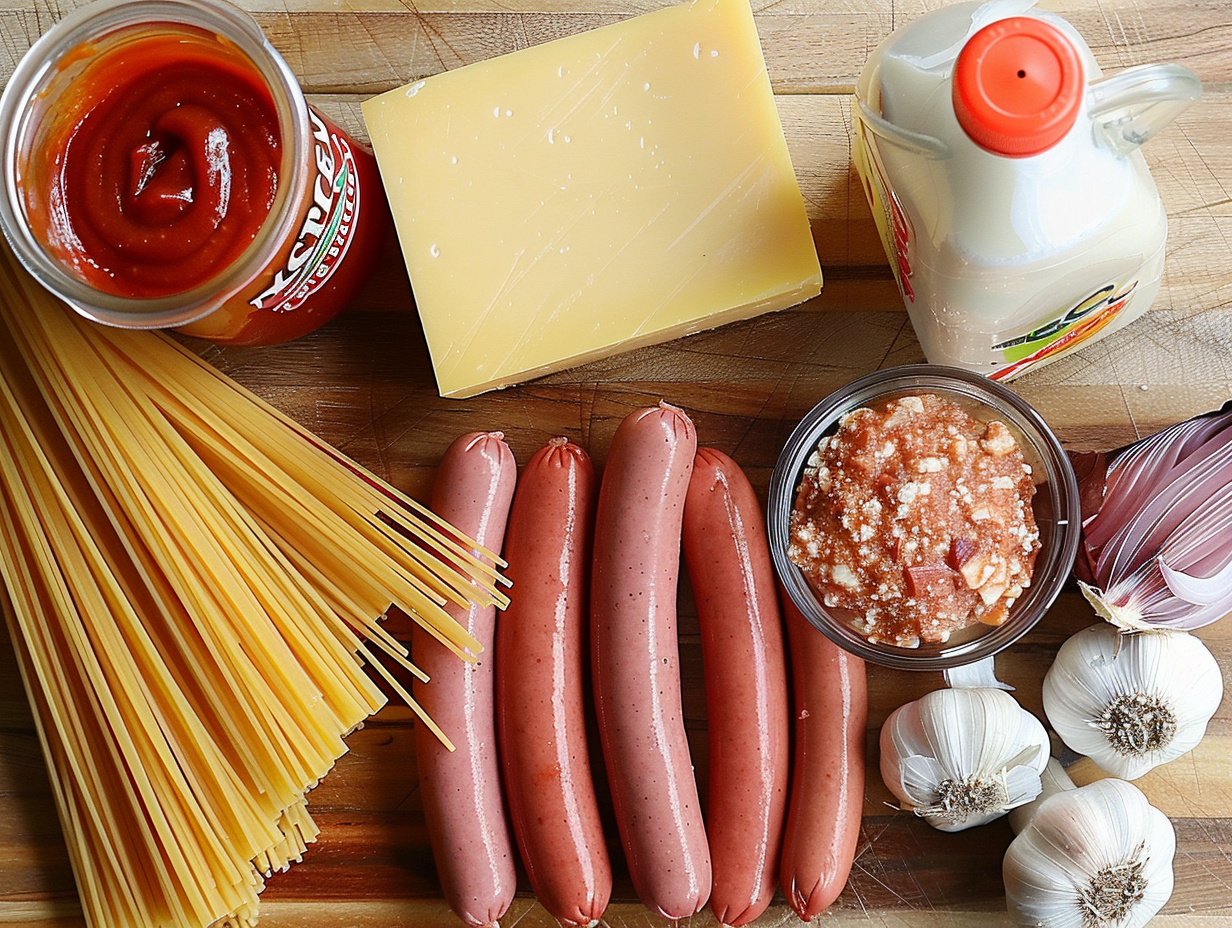
Filipino Spaghetti: Sweet Style, Parties, and How It Got This Way
What makes Filipino spaghetti different from Italian pasta, why it is a birthday-plate staple, and where to find Filipino comfort food in Quezon City.