
Manila Food Culture: Street Life, Chinatown, and Everyday Rhythms
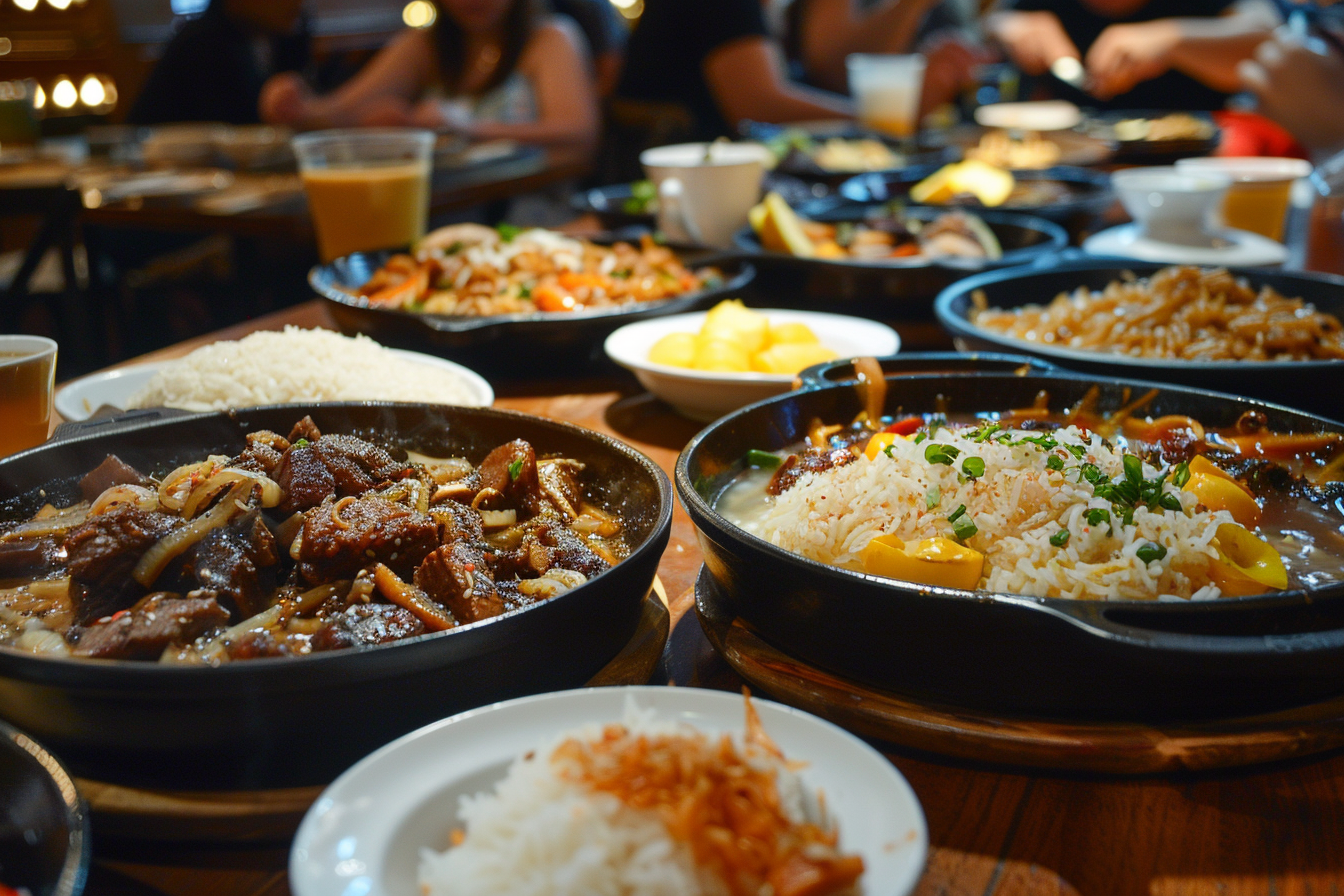
How Manila eats—from Binondo noodles to mall food courts—and where to explore Filipino and Filipino-Chinese comfort food in Quezon City.
Introduction
Manila is not one kitchen—it is a dense knot of neighborhoods, night markets, old Chinatown lanes, and air-conditioned food courts, all on different schedules.
This article focuses on how that culture developed and what it means for everyday choices: when street snacks appear, why Chinese-Filipino dishes feel "default" in the capital, and how Quezon City fits in as a sprawling dining belt of its own.
Historical Influences
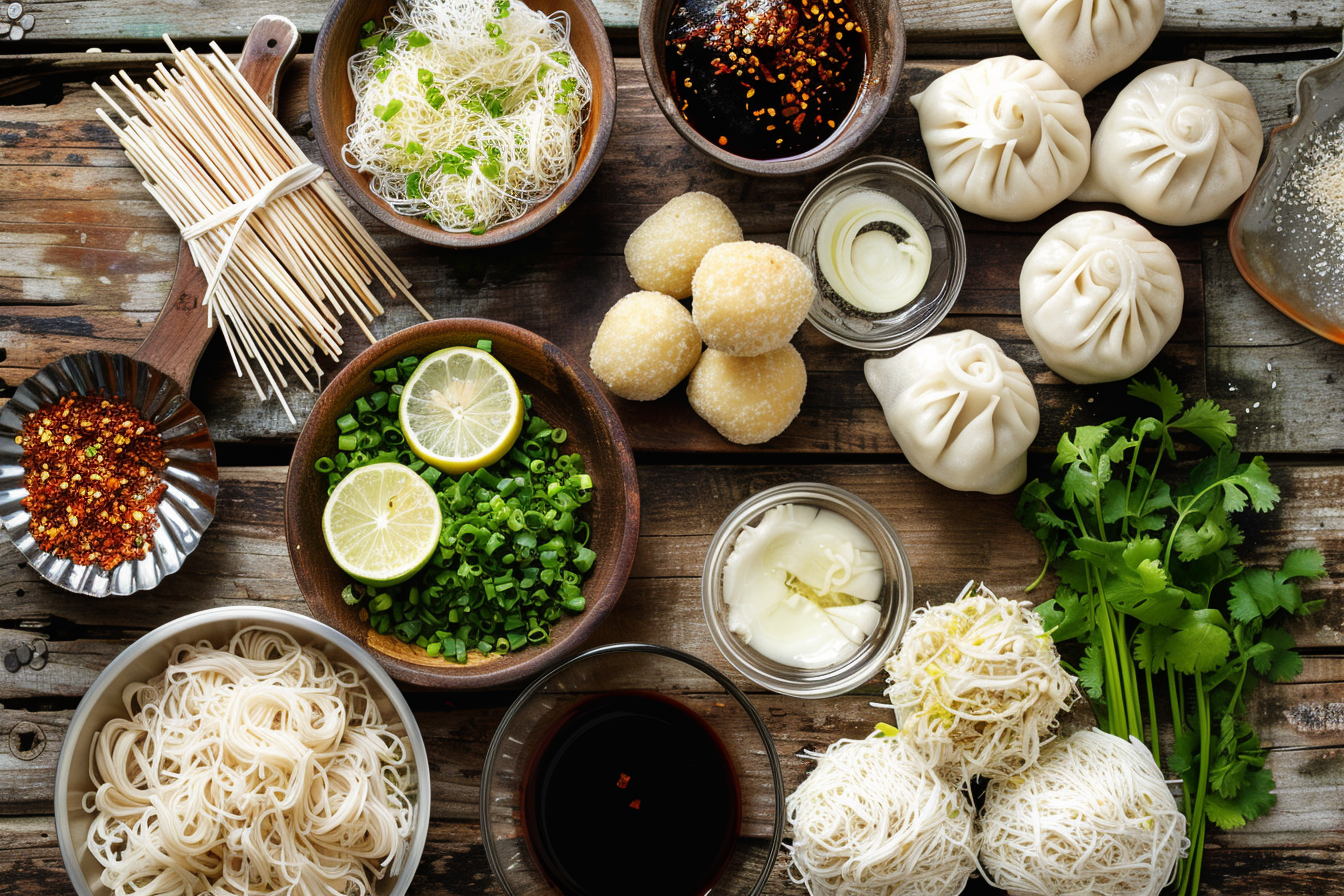
Manila's food culture reflects centuries of trade and migration. Binondo, the world's oldest Chinatown, has shaped Filipino-Chinese cuisine since the 1590s. Noodles, lumpia, siopao, and pancit canton entered the mainstream. Street vendors and carinderias fed workers and families long before the rise of restaurants.
Spanish and American influences added layers. Processed foods and fast-food culture arrived with American rule. Post-war development saw mall-based dining and food courts rise. Today, Metro Manila balances street food, home cooking, and restaurant dining across all price points.
The result is a food scene that moves from early-morning taho and pandesal to late-night pulutan. Manila eats at all hours. Neighborhoods develop distinct identities—some specialize in Chinese-Filipino, others in comfort food or street snacks. Quezon City has emerged as a major dining hub, with areas like Tomas Morato and Maginhawa offering diverse Filipino and international options. Mall food courts and stand-alone restaurants coexist; you can have a quick merienda at a food court or a full kamayan feast at a dedicated Filipino restaurant. The key is to explore and not limit yourself to one type of dining.
Regional Cuisine Traditions
Luzon
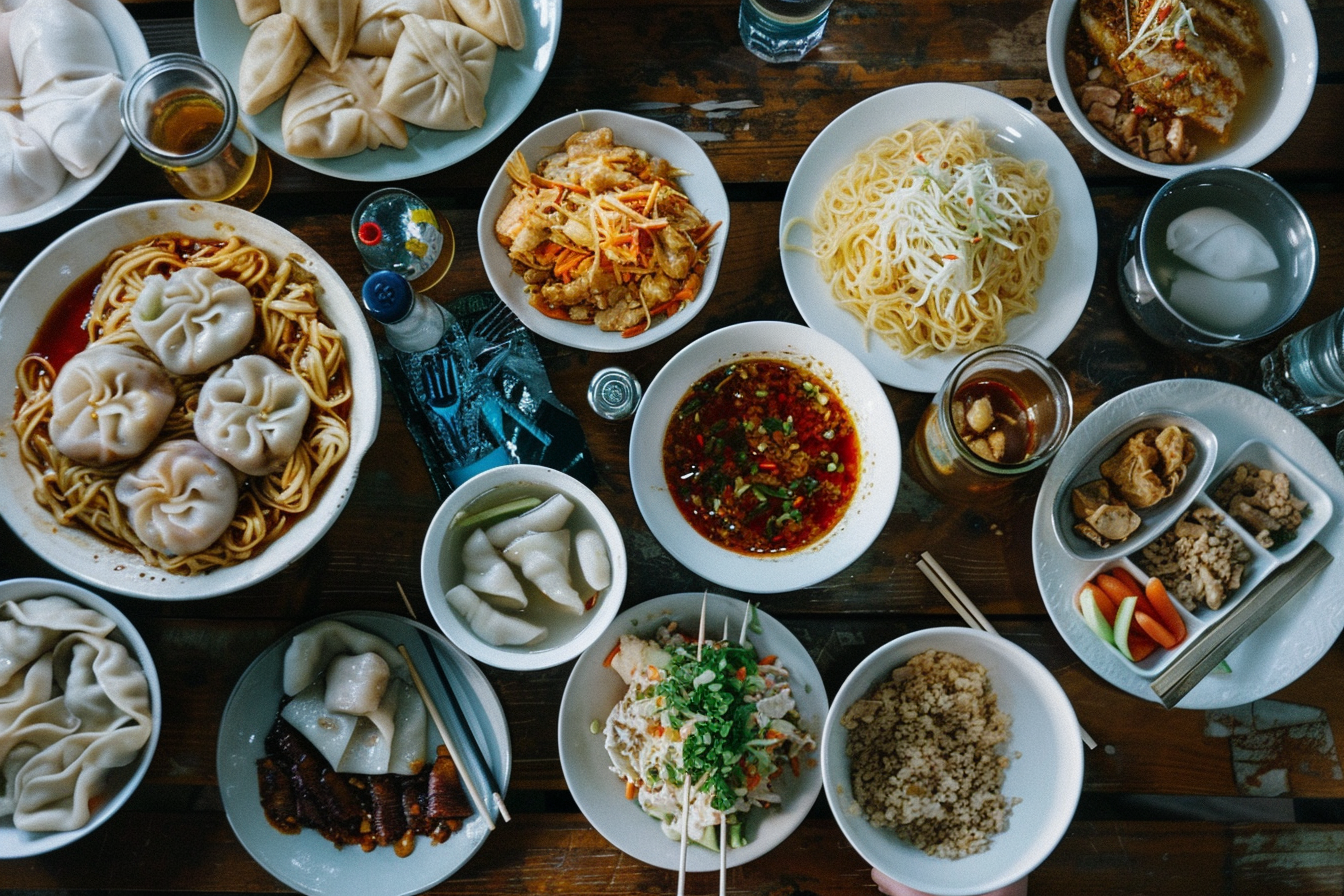
Manila sits in the Tagalog region, but its population draws from all over the Philippines. Luzon flavors—Tagalog, Kapampangan, Ilocano—converge in the capital. Tagalog kare-kare and paksiw, Kapampangan sisig, and Ilocano bagnet appear on menus across the metro.
Visayas
Visayan seafood traditions and Cebu lechon influence the metro. Kinilaw and inasal have become staples. Cebu-style lechon, with its distinctive crisp skin and spices, has spread to Manila and Quezon City. Bacolod chicken inasal is another Visayan favorite that has found a home in the capital.
Mindanao
Mindanao spices and Muslim-influenced preparations add depth. Neighborhoods develop their own identities—from Binondo's Chinese-Filipino joints to Quezon City's mix of Filipino, Chinese, and international options. Tomas Morato offers Filipino favorites and casual dining; Maginhawa is a hub for students and food explorers; Banawe specializes in Chinese-Filipino food. Each area has its own rhythm and specialties, making Metro Manila a mosaic of regional and international cuisines. Food courts and mall-based dining add another layer—quick bites, Filipino fast food, and international chains sit alongside traditional carinderias and sit-down restaurants.
Key Dishes and Ingredients
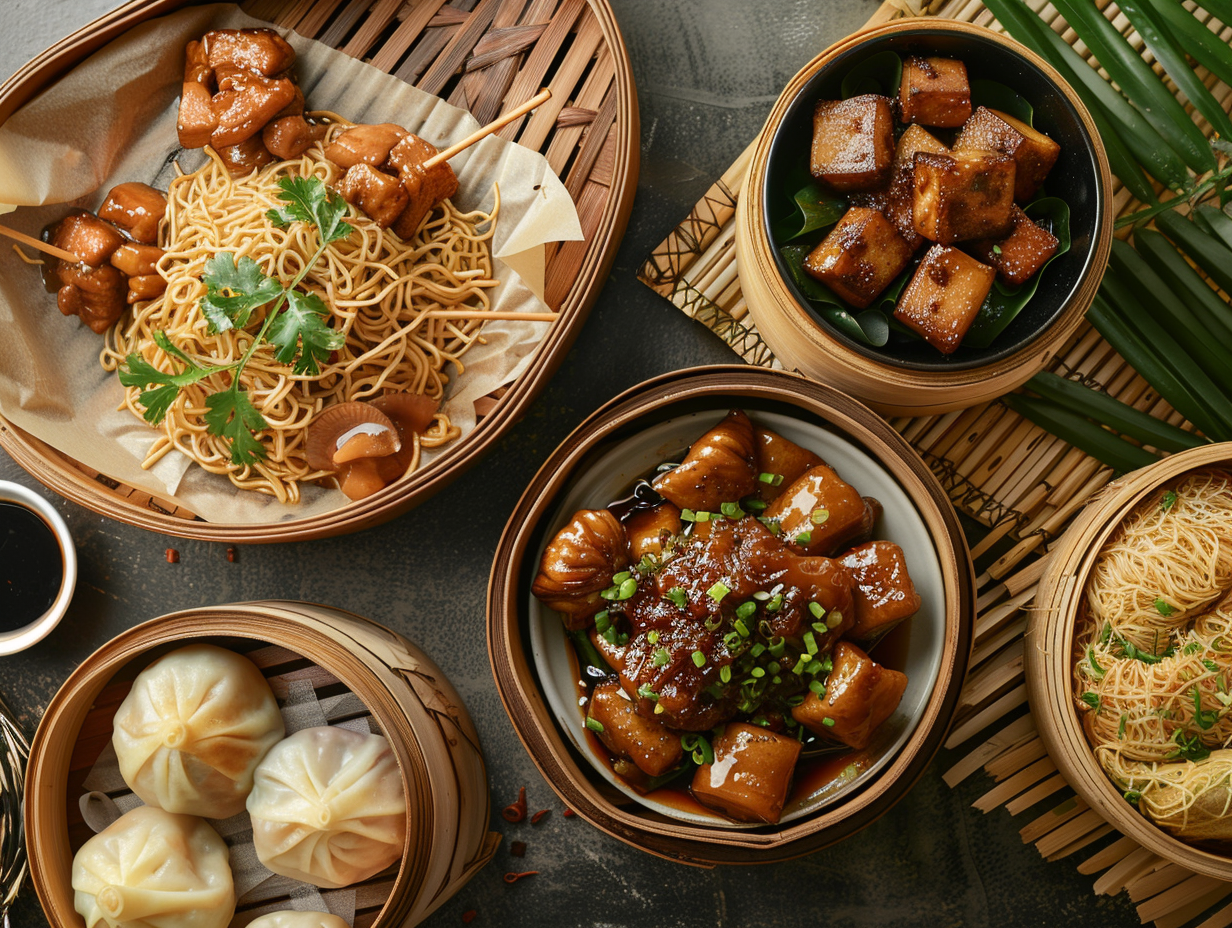
Manila food culture centers on Filipino favorites: adobo, sinigang, lechon, and pancit. Chinese-Filipino dishes—siopao, lumpia, pancit canton, arroz caldo—are equally integral. Street food like balut, isaw, and taho defines the informal side of eating in the city.
Comfort food and shared plates dominate. Rice, vinegar, and bagoong appear across both home and restaurant cooking. Kare-kare, dinuguan, and kaldereta are common. The city's eating habits reflect its role as a crossroads of regional and international influences. Breakfast might be tapsilog or longganisa with garlic rice; lunch a carinderia plate of sinigang and rice; merienda pandesal or taho; dinner a family-style spread of adobo, pancit, and lechon. The rhythm of eating in Manila is fluid—meals blur into snacks, snacks into meals.
Binondo remains a hub for Chinese-Filipino food. Century-old eateries serve pancit, lumpia, siopao, and arroz caldo. The neighborhood has influenced Filipino cooking for over four centuries. Elsewhere, Filipino comfort spots sit beside international chains. The mix makes Manila one of the most diverse eating cities in the region—a place where centuries of trade and migration have created a food scene that eats around the clock. First-time visitors should prioritize adobo, sinigang, and pancit; then branch into kare-kare, lechon, and regional specialties. Street food enthusiasts will find balut, isaw, and taho at every turn.
Dining Culture
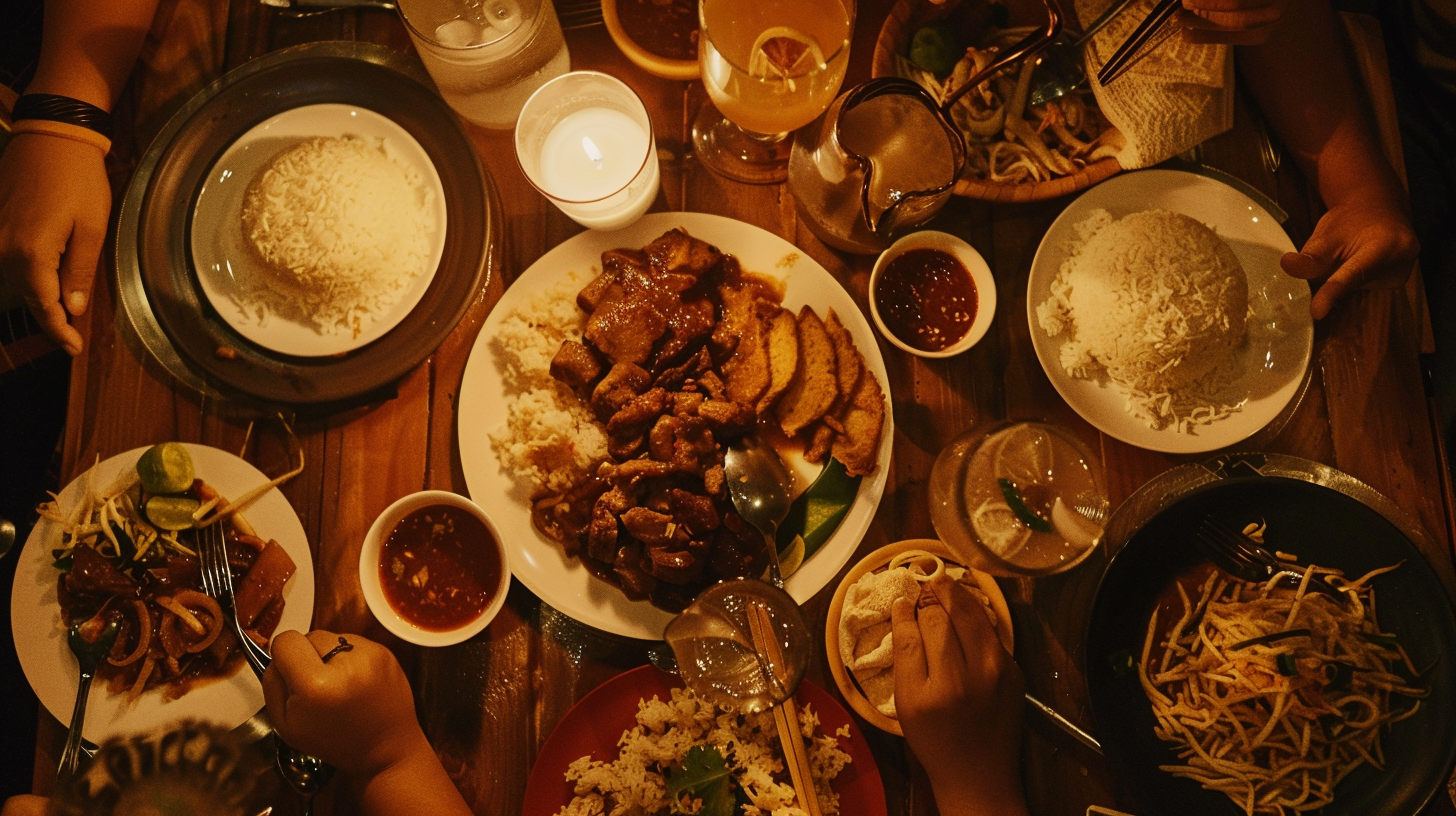
Dining in Manila is communal and frequent. Family-style meals, fiesta spreads, and casual carinderia visits define everyday eating. Street food fills gaps between meals. Merienda and pulutan extend the day.
Kamayan—meals eaten with hands on banana leaves—connects Manila's dining culture to pre-colonial roots. Grilled meats, rice, and vegetables spread on leaves embody the communal spirit of Filipino eating. This tradition is often reserved for celebrations, but its influence—eating with hands, sharing from common platters—extends to everyday dining. Many Filipino restaurants offer kamayan-style feasts for groups; it is worth trying at least once.
Quezon City neighborhoods like Tomas Morato and Maginhawa exemplify this mix: sit-down Filipino restaurants, casual eateries, and late-night options. Food is central to social life. Meals are rarely rushed. Hospitality means offering more than enough; refusing seconds can feel impolite. Whether at a carinderia, a family table, or a restaurant, the rhythm is the same: share, eat heartily, connect. The city rewards those who eat with curiosity and an open mind.
In Quezon City: echoes of Manila's mix (not a Binondo substitute)
We cover Quezon City, not Manila block-by-block. Nothing here replaces a Binondo walk or a Quiapo merienda run—but if you are already in QC and want flavors that rhyme with the capital's story, these two stops are honest: one leans Chinese-Filipino on Banawe (the same corridor DNA Manila's Chinatown helped shape), the other is Filipino comfort beside the city's big public circle—think merienda and family meals after a park afternoon.
For more: Chinese restaurants, Banawe, Memorial Circle area, Filipino restaurants, directory.
Frequently Asked Questions
What is Manila food culture known for?
Manila food culture blends street food heritage, Chinatown (Binondo) traditions, and modern mall-based dining. Filipino comfort food, Chinese-Filipino dishes, and street snacks like balut and taho define the scene.
Where can I find Filipino food in Quezon City?
Quezon City has strong Filipino dining in Banawe, Tomas Morato, and Maginhawa. Use our Filipino restaurants guide and neighborhood pages to find spots that match your preferences.
How does Quezon City compare to Manila for dining?
Quezon City rivals Manila for restaurant density and variety. Areas like Tomas Morato and Maginhawa offer diverse Filipino, Chinese-Filipino, and international options in a more spread-out layout.
What is Binondo's role in Manila food culture?
Binondo, the world's oldest Chinatown, has shaped Filipino-Chinese cuisine since the 1590s. Noodles, lumpia, siopao, and pancit canton entered the mainstream through Binondo. The neighborhood remains a hub for Chinese-Filipino food today.
When is the best time to explore Manila food?
Manila eats at all hours. Early morning brings taho and pandesal; lunch and dinner offer full spreads. Late-night pulutan and street food extend the day. Weekends are ideal for exploring Binondo and Quezon City restaurant strips.
Sources

Written by Zachary Siecinski
Lead food writer · Restaurants Quezon City
Zach has been covering the Quezon City dining scene since 2018, with a focus on fair, practical recommendations — what to order, what it costs, who it suits, and what to skip. He writes the neighbourhood guides, best-of lists, and in-depth restaurant reviews.
More Articles
Filipino American Food: Origins and Why the Table Looks Familiar
How migration shaped Filipino American cooking—potlucks, pantry shortcuts, and dishes that feel both familiar and distinctly Filipino—and where to taste Filipino food in Quezon City.
Filipino Cuisine: History, Regions, and What to Order First
How Philippine food developed over time—from island staples to trade and colonial layers—and a short list of reliable first orders in Quezon City.
Filipino Dining Culture and Customs
Filipino dining culture — kamayan, communal eating, merienda and pulutan, and where to experience authentic Filipino dining in Quezon City.
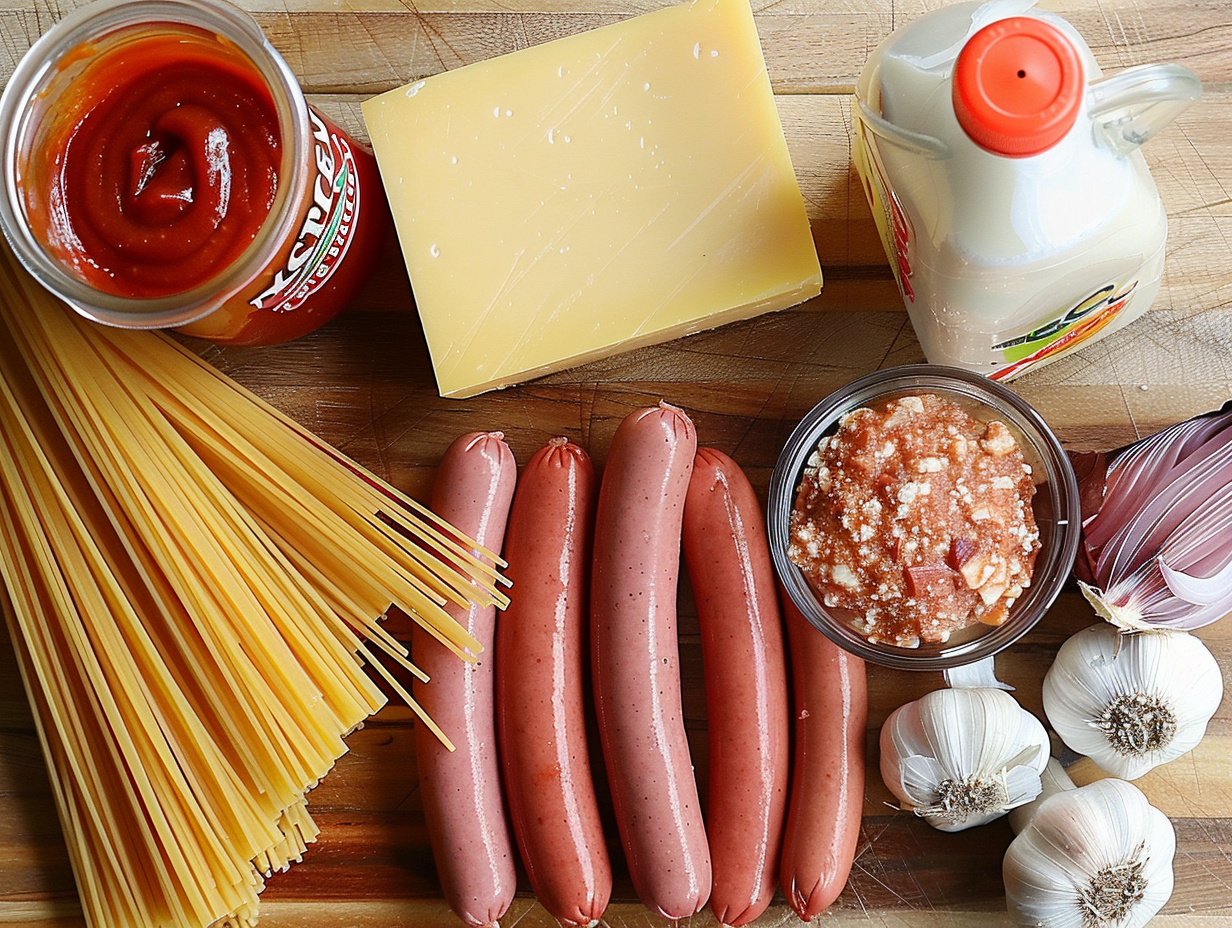
Filipino Spaghetti: Sweet Style, Parties, and How It Got This Way
What makes Filipino spaghetti different from Italian pasta, why it is a birthday-plate staple, and where to find Filipino comfort food in Quezon City.