
Filipino Dining Culture and Customs
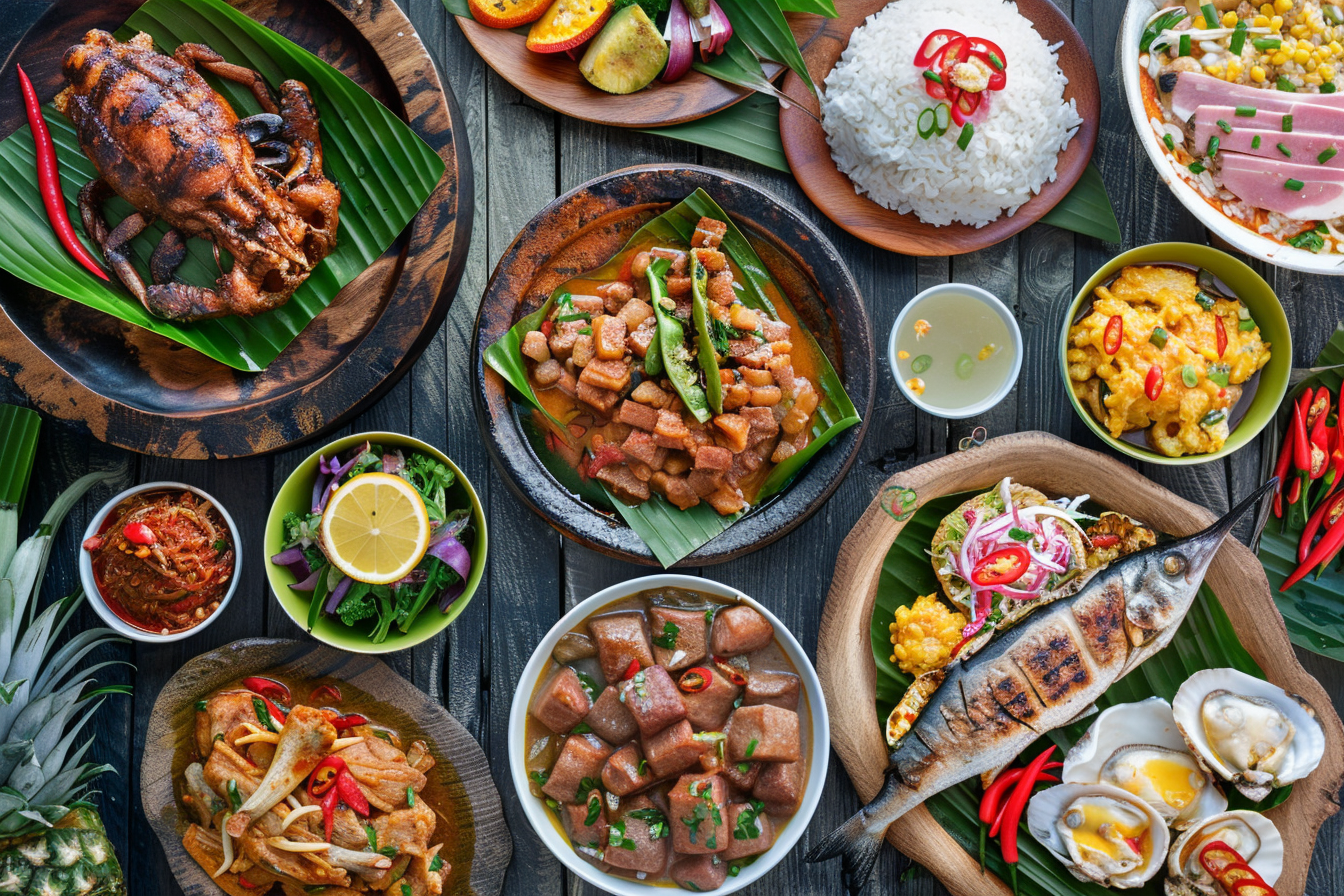
Filipino dining culture — kamayan, communal eating, merienda and pulutan, and where to experience authentic Filipino dining in Quezon City.
Introduction
In the Philippines, a meal is often a social contract: rice on the table, ulam to share, and enough food that no one leaves hungry. Understanding a few customs—family-style serving, merienda, and when kamayan appears—makes dining calmer for visitors and elders alike.
This guide explains common habits without stereotyping every household. When unsure, watch your host or ask quietly; most people are glad you care.
Historical Influences
Filipino dining customs reflect Austronesian and colonial influences. Communal eating predates colonization; Spanish and Chinese contact added new dishes and occasions. The American period introduced processed foods and casual dining. Today, home cooking, carinderias, and restaurants coexist.
Hospitality centers on abundance—more food than needed, with seconds encouraged. Meals are often built around rice, ulam (main dish), and sawsawan (dipping sauces). Refusing food can be impolite; accepting and eating heartily is the norm. These customs hold whether you are at a family table or a restaurant. The idea that the host should offer more than guests can finish—and that guests should eat with gusto—reflects a culture where food is love and generosity is expressed through the table. Fiestas, birthdays, and simple salo-salo (shared meals) all follow this logic. Even in restaurants, the expectation is that you will order multiple dishes and share. Solo diners can still experience this by ordering two or three dishes and taking home leftovers—baling (takeaway) is common and appreciated.
Regional Cuisine Traditions
Luzon
Luzon's Tagalog and Kapampangan traditions emphasize fiesta spreads and elaborate preparations. Fiestas feature multiple courses, lechon, and kakanin. Kapampangan cooking is often celebrated as the Philippines' culinary capital, with elaborate spreads at family gatherings.
Visayas
Visayan communities have their own rhythms and seafood-centric dining customs. Kinilaw and grilled seafood are shared family-style. Cebuano and Negrense traditions add their own flair to communal dining—lechon at celebrations, inasal at casual gatherings. The Visayan emphasis on fresh seafood and vinegar-cured preparations reflects the region's coastal geography.
Mindanao
Mindanao adds Muslim-influenced dining traditions—halal preparations, spice-forward dishes, and distinct serving customs. Metro Manila brings these together. Maranao and Tausug dining customs emphasize spice and coconut; halal considerations shape meat preparation and serving. Understanding these regional differences enriches the dining experience. Filipino restaurants range from casual carinderia-style spots to more refined dining. The common thread is shared plates and generous portions. Expect to eat family-style when dining with Filipinos, whether at home or in a restaurant. Regional customs may vary—Luzon fiestas differ from Visayan seafood gatherings—but the communal ethos remains constant.
Key Dishes and Ingredients
Filipino dining culture orbits around staple dishes: adobo, sinigang, lechon, pancit. Rice is central. Merienda (midday snacks) and pulutan (bar chow) extend the day. Street food like balut, isaw, and taho fill gaps between meals.
Comfort food—dishes that feel like home—defines everyday eating. Kare-kare, dinuguan, and kaldereta appear at family tables and restaurants alike. These dishes are meant to be shared. Ordering one dish per person is less common than ordering several and eating family-style. The Filipino table is built for sharing: ulam (main dish) with rice, sawsawan (dipping sauces), and often multiple viands so everyone can have a bit of everything. Street food and merienda extend the eating day—taho in the morning, kakanin in the afternoon, pulutan at night.
Dining Culture
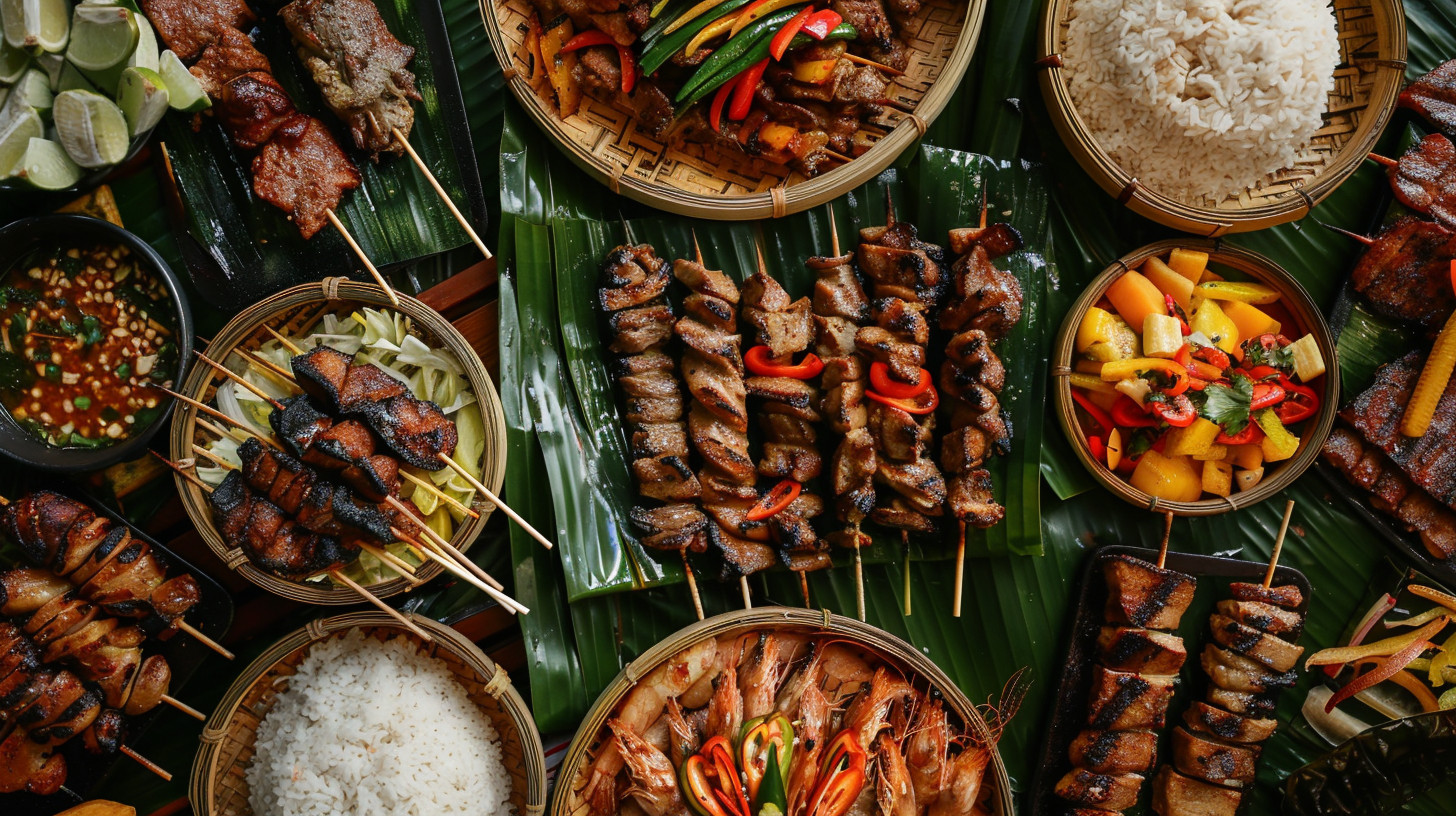
Family-style sharing is the norm. Platters are passed around; everyone takes from common dishes. Fiesta spreads feature multiple courses—often more than the table can finish. Street food and carinderias offer affordable, quick meals for everyday eating.
Merienda bridges lunch and dinner. Pulutan accompanies drinks. Eating together strengthens social bonds. Food is tied to birthdays, holidays, and casual gatherings. Hospitality means offering more than enough. The Filipino host takes pride in abundance—running out of food is a cause for concern; leftovers are a sign of generosity. When invited to a Filipino home, come hungry and accept second helpings. Your enjoyment of the food is a compliment to the host.
Kamayan is a distinctive Filipino tradition: meals eaten with hands on banana leaves. Grilled meats, seafood, rice, and vegetables are spread on the leaves, and diners eat without utensils. Often reserved for celebrations and gatherings, kamayan embodies the communal spirit of Filipino dining and connects modern eaters to pre-colonial Austronesian roots. The absence of plates and utensils strips away formality—everyone eats from the same spread, with their hands, in a shared experience.
Restaurants that serve Filipino food often encourage sharing. Order several dishes and eat family-style for the most authentic experience. Whether at a carinderia or an elevated Filipino restaurant, the rhythm is the same: share, pass, take, eat. Do not be shy about reaching for seconds—your host will appreciate it. Filipino dining culture rewards those who participate fully in the shared experience.
Where Filipino dining habits show up in real restaurants
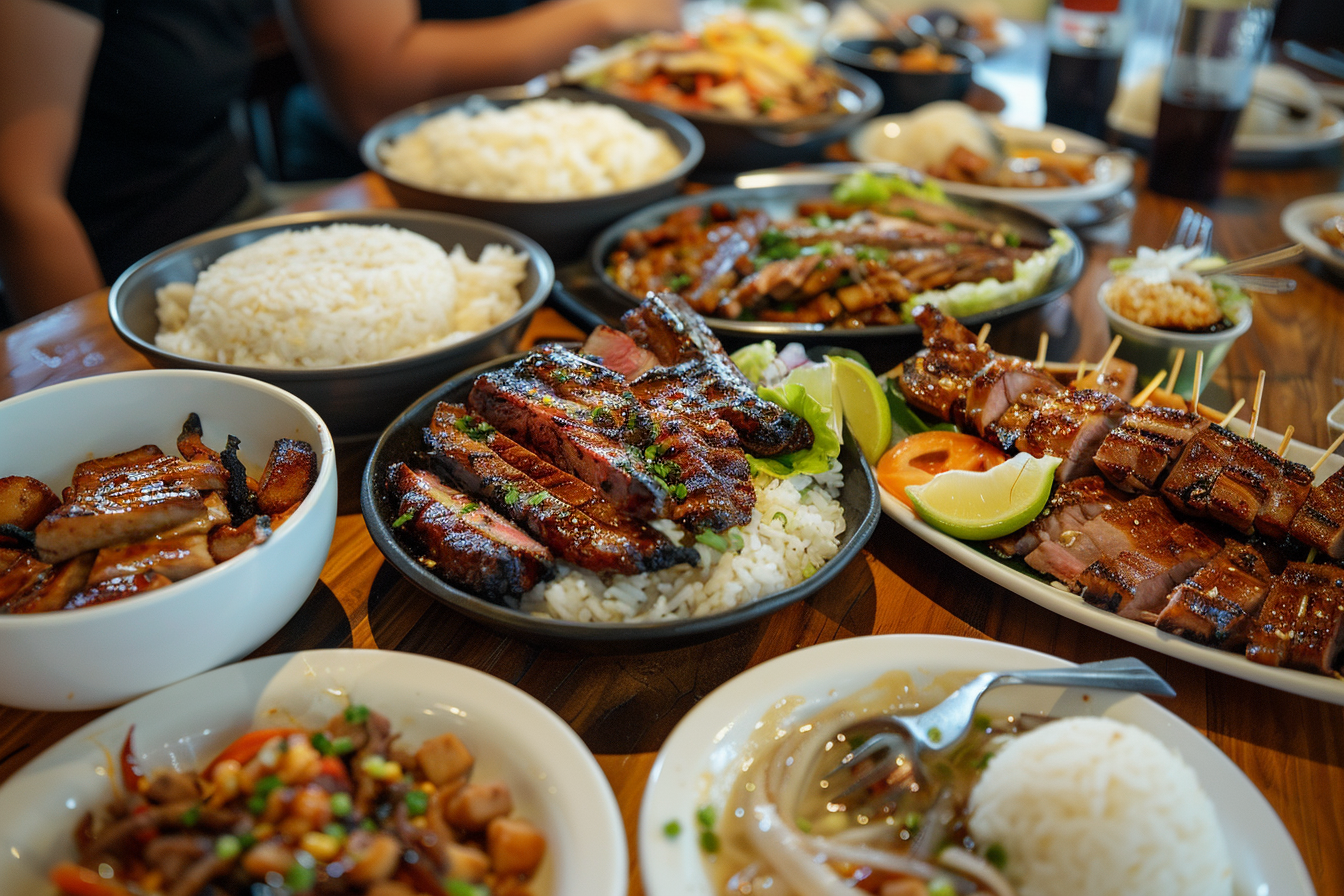
Customs like shared platters, celebration spreads, and late-night groups need room—literally. 7 Corners is built for Filipino buffet and fiesta energy; Gerry's on Tomas Morato is the kind of grill-and-ulam house where barkada orders pile up. Two picks, on purpose.
More: Filipino restaurants, buffets, Tomas Morato, Maginhawa, directory.
Frequently Asked Questions
What is Filipino dining culture like?
Filipino dining is communal—family-style sharing, platters passed around the table. Fiesta spreads and street food are central. Hospitality centers on abundance. Meals often include rice, ulam (main dish), and sawsawan.
What is merienda?
Merienda is a midday snack—often sweet or savory—eaten between lunch and dinner. It can include kakanin (rice cakes), pandesal with filling, or light meals. It reflects the Filipino habit of eating throughout the day.
Where can I experience Filipino dining in Quezon City?
Quezon City has strong Filipino dining in Banawe, Tomas Morato, and Maginhawa. Use our Filipino restaurants guide to find spots that offer shared-plate dining and comfort food.
Why is kamayan important in Filipino dining?
Kamayan connects modern Filipino dining to pre-colonial Austronesian roots. Eating with hands on banana leaves strips away formality—everyone shares from the same spread. It embodies the communal spirit that defines Filipino food culture.
Sources

Written by Zachary Siecinski
Lead food writer · Restaurants Quezon City
Zach has been covering the Quezon City dining scene since 2018, with a focus on fair, practical recommendations — what to order, what it costs, who it suits, and what to skip. He writes the neighbourhood guides, best-of lists, and in-depth restaurant reviews.
More Articles
Filipino American Food: Origins and Why the Table Looks Familiar
How migration shaped Filipino American cooking—potlucks, pantry shortcuts, and dishes that feel both familiar and distinctly Filipino—and where to taste Filipino food in Quezon City.
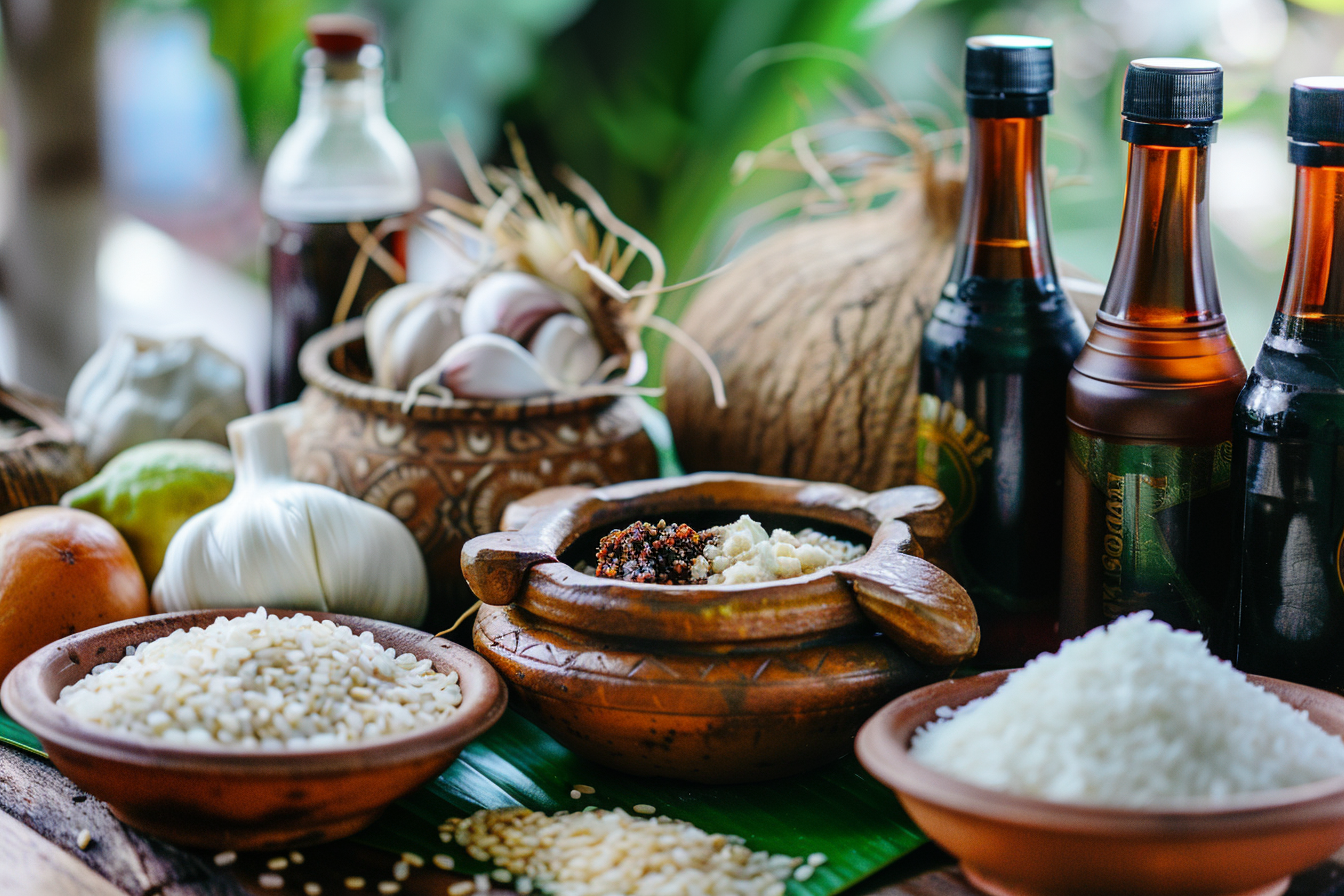
Filipino Cuisine: History, Regions, and What to Order First
How Philippine food developed over time—from island staples to trade and colonial layers—and a short list of reliable first orders in Quezon City.
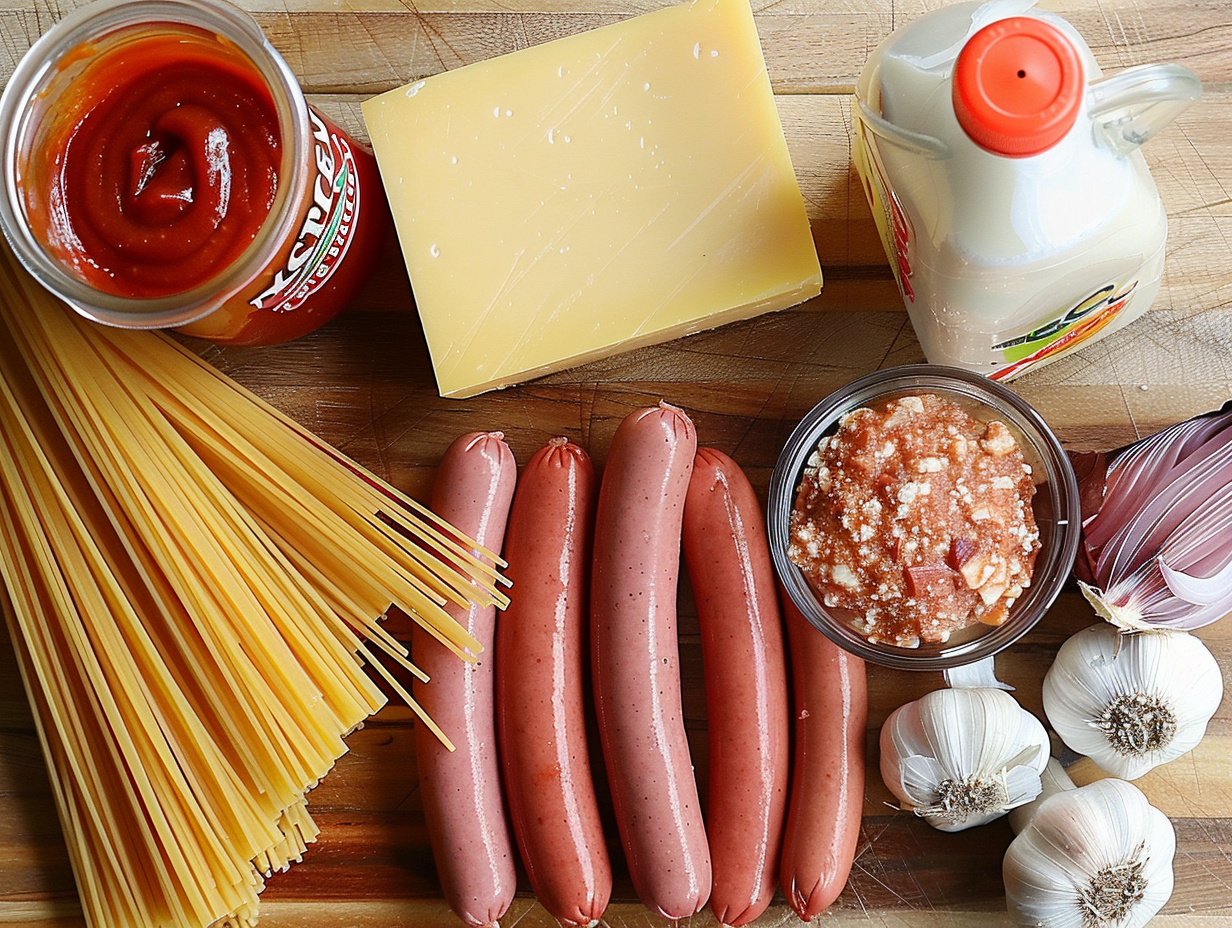
Filipino Spaghetti: Sweet Style, Parties, and How It Got This Way
What makes Filipino spaghetti different from Italian pasta, why it is a birthday-plate staple, and where to find Filipino comfort food in Quezon City.
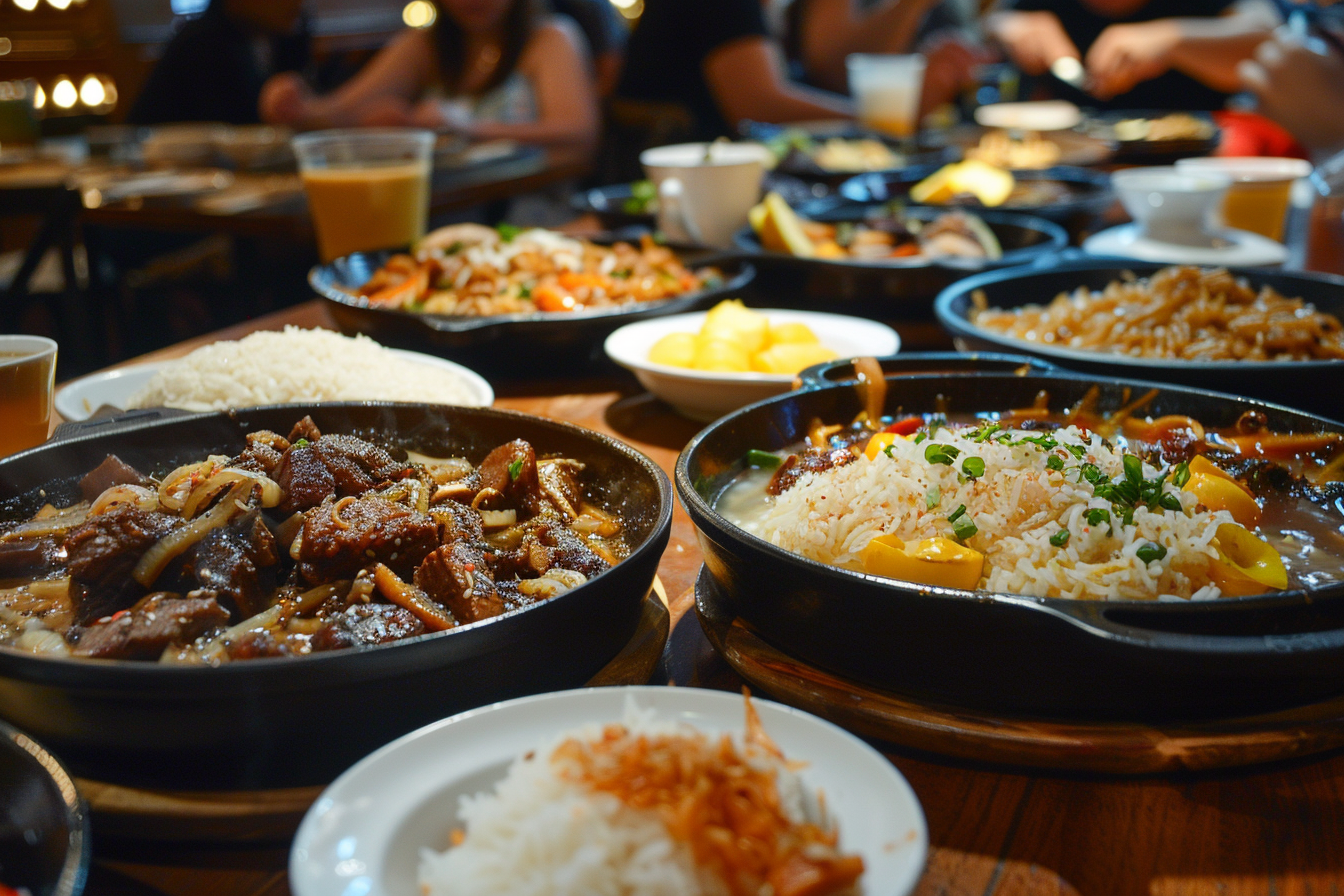
Manila Food Culture: Street Life, Chinatown, and Everyday Rhythms
How Manila eats—from Binondo noodles to mall food courts—and where to explore Filipino and Filipino-Chinese comfort food in Quezon City.