
Origins of Filipino Cuisine: Influences, Layered and Practical
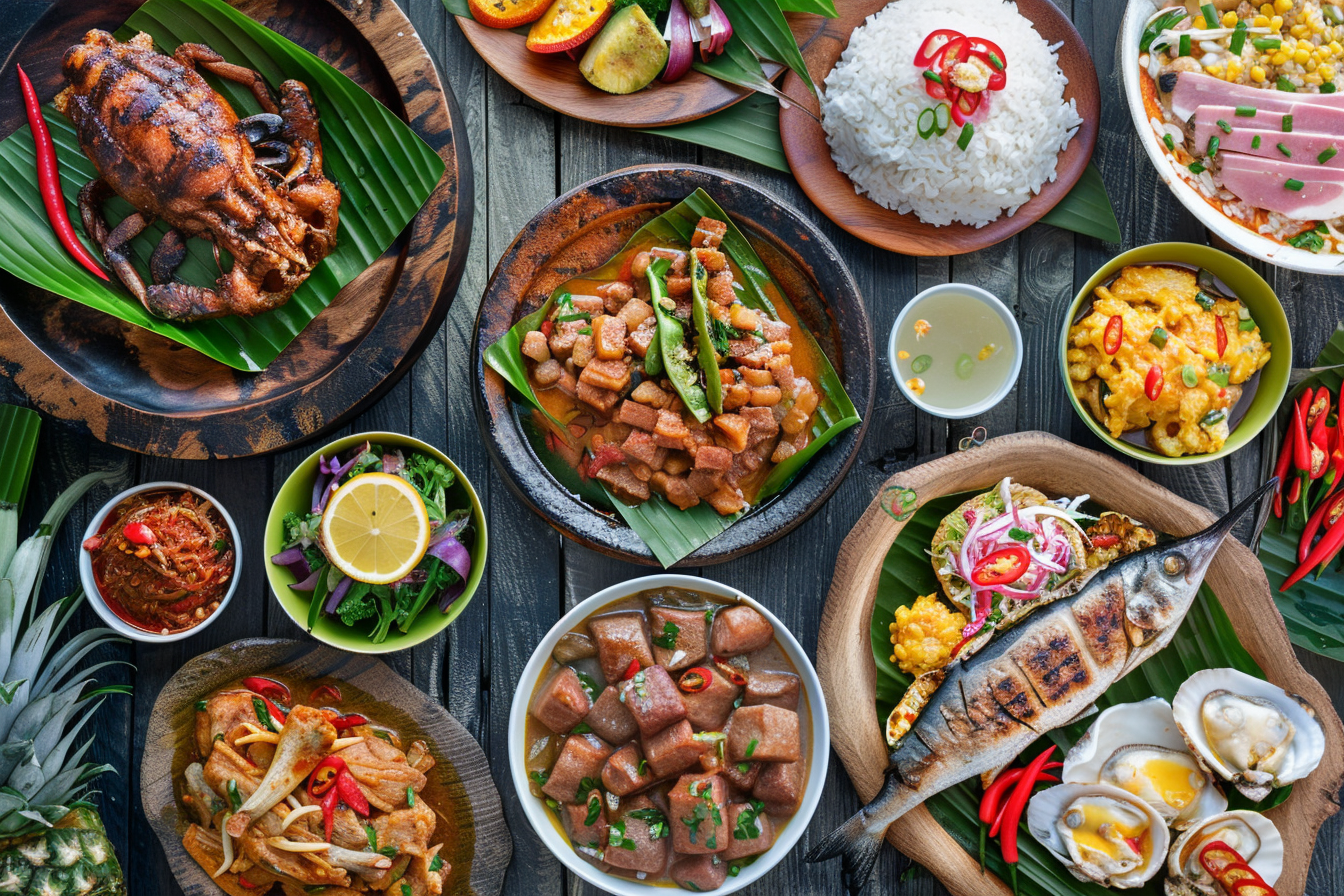
Why Filipino food blends Austronesian, Chinese, Spanish, and American habits—and how that shows up in everyday dishes. Timeline: see our history article; regions: see regional overview.
Introduction
Filipino food is easiest to understand as why different influences stuck, not only as a list of imports. Austronesian staples (rice, coconut, vinegar), Chinese techniques, Spanish ingredients and feast culture, and American-era convenience foods all stayed because they solved real problems—preservation, feeding crowds, celebrating, snacking after work.
For chronology, read Filipino cuisine: history and what to order first. For Luzon vs Visayas vs Mindanao, read regional Philippine cuisine overview. This page is the synthesis: cultural logic, not a timeline or a province map.
Why each influence stuck (not just that it arrived)
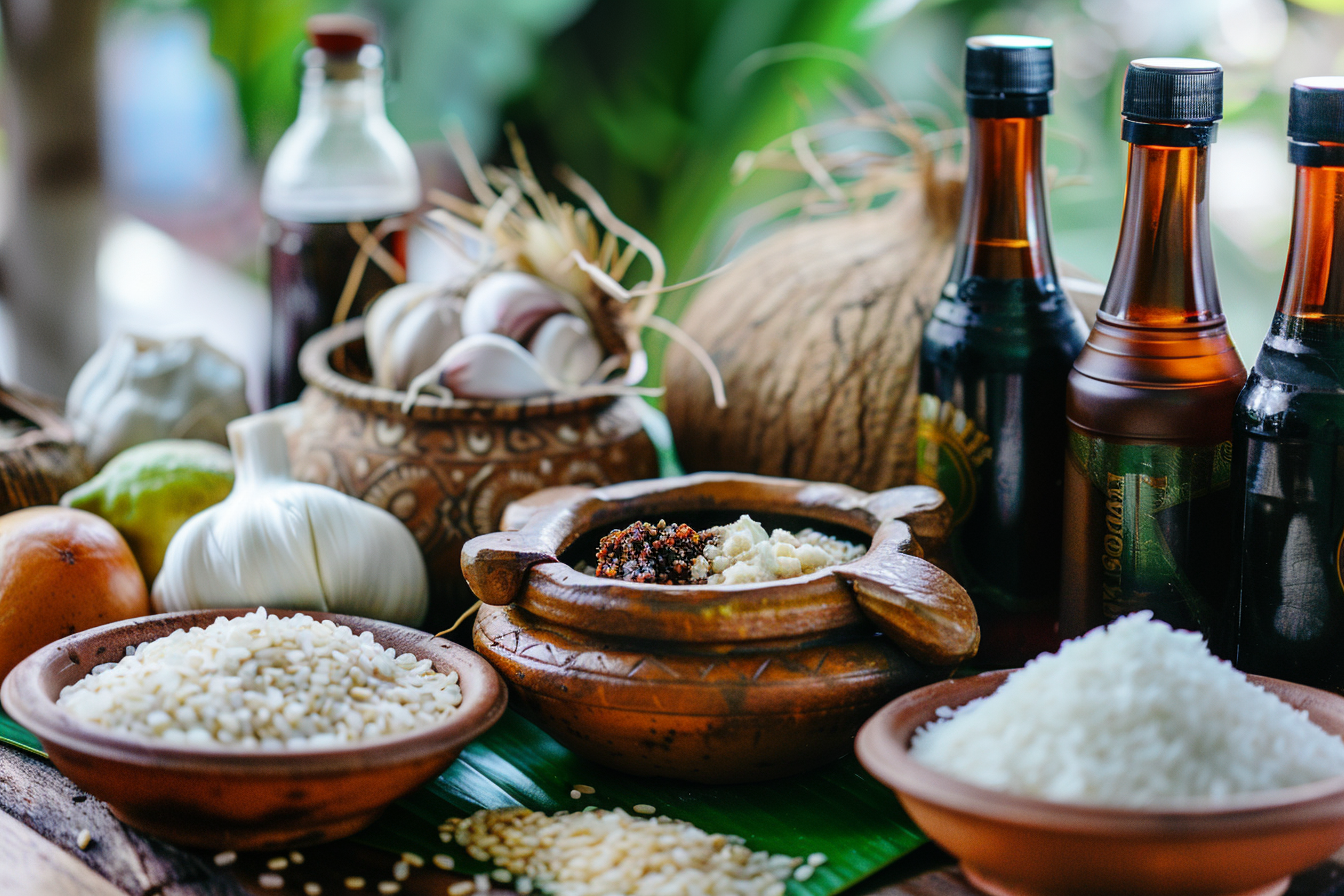
Austronesian base. Rice, coconut, and souring were already solving storage and climate. Outside ideas succeeded when they fit that kitchen logic—vinegar braises with soy, not instead of vinegar.
Chinese trade and settlement. Noodles and stir-frying spread because they fit port cities and labor schedules; lumpia and pancit are portable and feed groups. They are not “Chinese food” in a Filipino restaurant as a separate cuisine—they are everyday Filipino habits with Chinese roots.
Spanish colonial layer. Tomatoes, garlic, onions, and Catholic feast cycles gave language and technique for large cuts of meat and celebrations. Lechon and adobo-style braises became Filipino when they used local vinegar, salt, and what families could afford.
American period. Canned meat, condensed milk, and baking spread through schools, bases, and markets. Sweet spaghetti and pan de sal persist because they are cheap, crowd-pleasing, and easy to repeat—same social function as older fiesta food.
The result is a synthesis: a dish can carry several ancestries without being “inauthentic.”
Regions: not duplicated here
How Luzon, Visayas, and Mindanao differ on the plate is a geography and ordering question. This article stays on the why of blending; for island-by-island comparison, use the regional Philippine cuisine overview.
How influences show on one plate
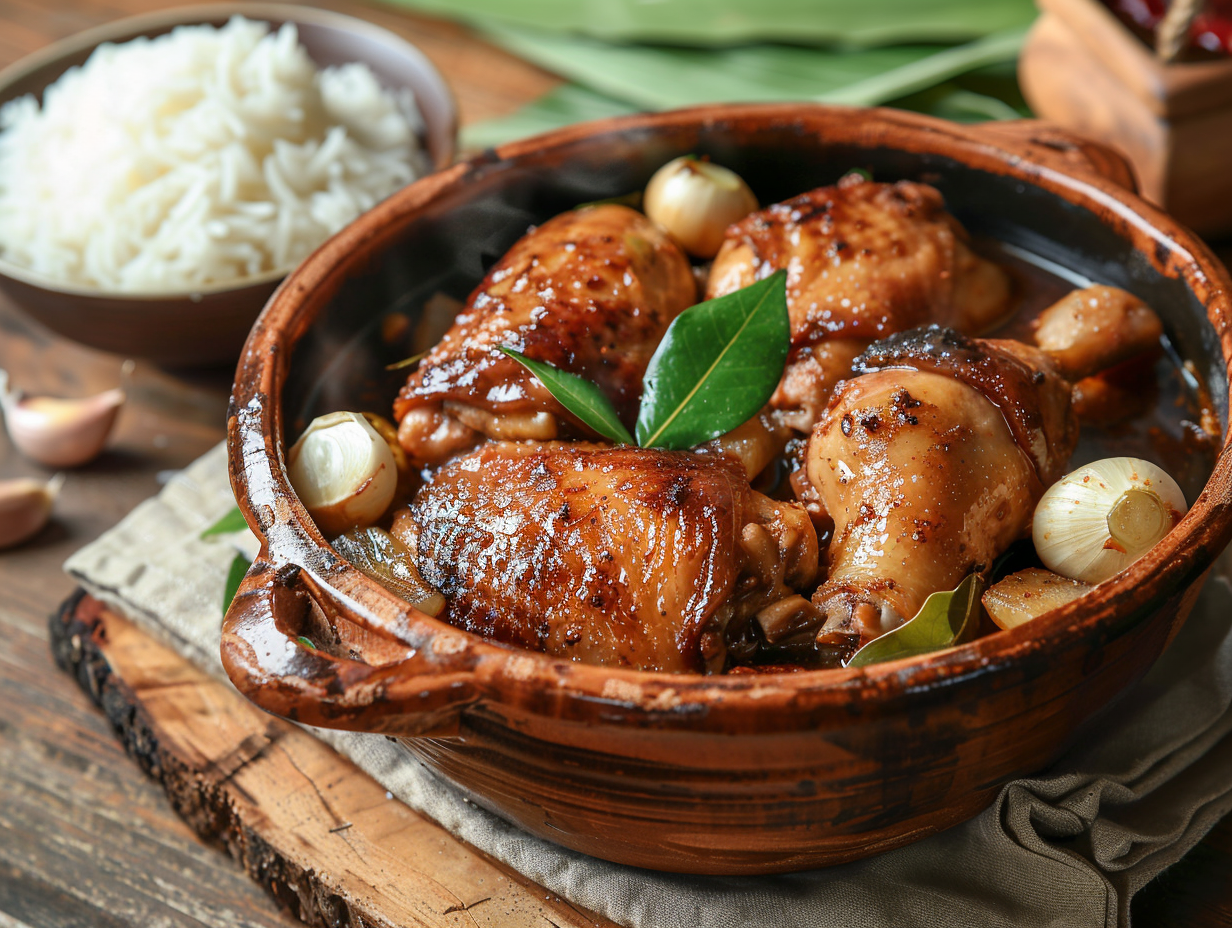
Adobo is a useful example: Spanish-derived name and soy, but vinegar and garlic as the Filipino backbone—hybrid by default.
Pancit carries Chinese technique with local ingredients and occasions; it is not a side note to “real” Filipino food.
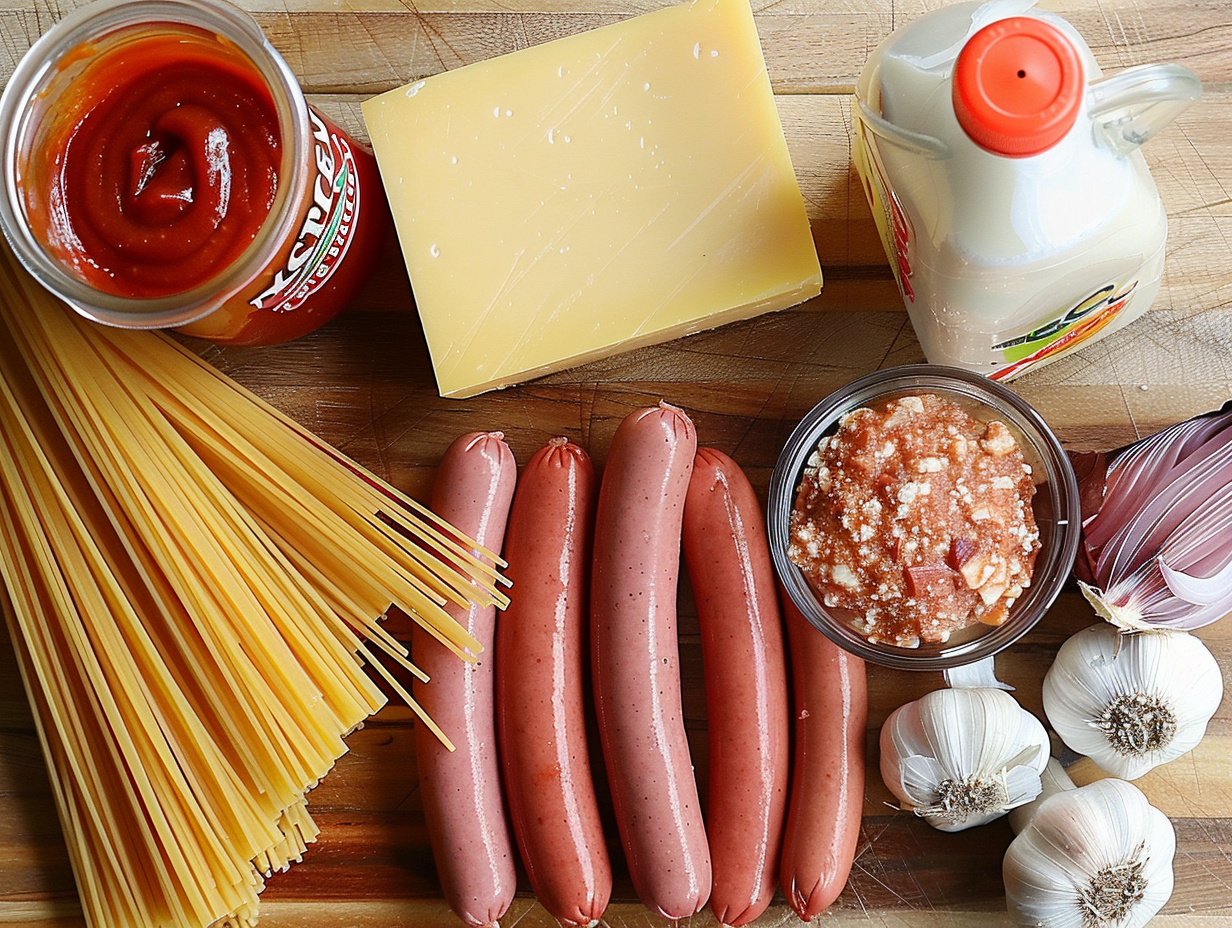
Sweet spaghetti is an American–Filipino party form: sweet sauce, processed meat, quick-melt cheese—socially Filipino even when Italian diners would not recognize it.
Lechon ties Spanish feast roasting to island pork culture; the argument is rarely “pure” Spanish or “pure” Malay—it is celebration food that fits fiestas.
Listing every dish is not the point; the point is that fusion is the norm, not an exception.
Communal eating as an outcome
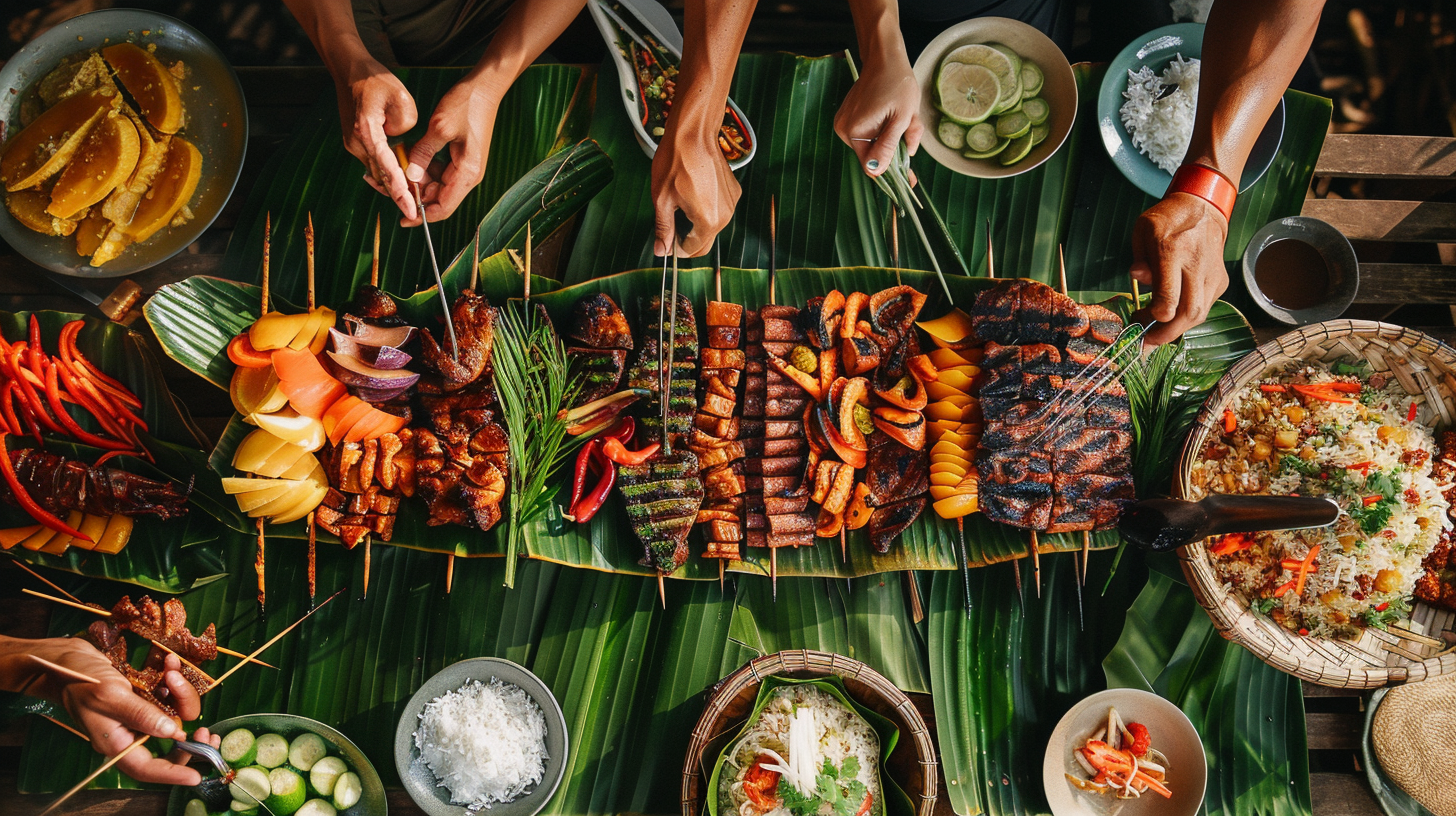
Shared rice and ulam fit the same story: feeding extended family and neighbors mattered before restaurants, and it still shapes how Filipino restaurants portion plates. Foreign influences spread through that social form—trays of noodles, roast pig, or bakery rolls all travel well to a crowded table.
For customs in depth, see Filipino dining culture and customs.
Where trade and migration still read on the plate (QC)
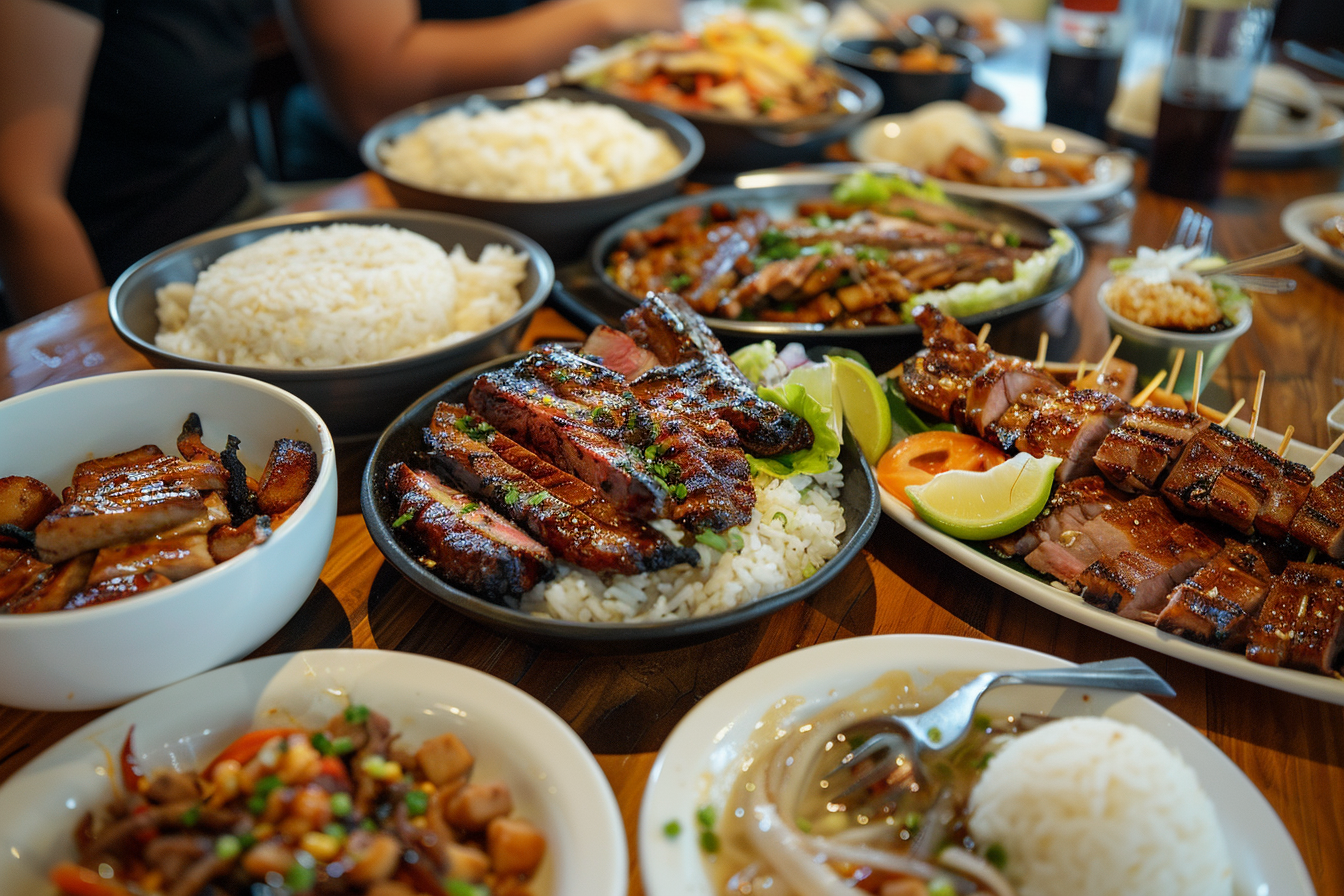
To see Chinese trade influence next to modern Filipino plating without pretending one dinner explains everything, we pair Mien San (handed-down noodle-house format near UP Town) with Mesa on Tomas Morato (creative takes on classics). Together they sketch the article's themes—foreign technique meeting local taste—more clearly than three random "Filipino" tags.
More: Chinese restaurants, Filipino, UP Town Center, Tomas Morato, directory.
Frequently Asked Questions
What is Filipino cuisine known for?
Filipino cuisine is known for its blend of sour, savory, and sometimes sweet flavors. Key traits include regional diversity, iconic dishes like adobo and sinigang, rice as a staple, and a strong tradition of communal dining and street food.
What are the most famous Filipino dishes?
Signature dishes include adobo (vinegar-braised meat), sinigang (sour soup), lechon (roast pig), pancit (noodles), and kare-kare (oxtail in peanut sauce). Each region adds its own variations using local ingredients.
How did colonial influences shape Philippine food?
Chinese traders brought noodles and stir-frying; Spanish colonization introduced tomatoes, garlic, and slow braises; the American period added processed foods and baking. These layers merged with indigenous Austronesian cooking, creating a distinct Filipino culinary identity.
What is kamayan dining?
Kamayan is a Filipino tradition of eating with hands on banana leaves. Grilled meats, seafood, rice, and vegetables are spread on the leaves, and diners eat without utensils. It embodies the communal spirit of Filipino dining and connects to pre-colonial Austronesian roots.
Sources

Written by Zachary Siecinski
Lead food writer · Restaurants Quezon City
Zach has been covering the Quezon City dining scene since 2018, with a focus on fair, practical recommendations — what to order, what it costs, who it suits, and what to skip. He writes the neighbourhood guides, best-of lists, and in-depth restaurant reviews.
More Articles
Filipino American Food: Origins and Why the Table Looks Familiar
How migration shaped Filipino American cooking—potlucks, pantry shortcuts, and dishes that feel both familiar and distinctly Filipino—and where to taste Filipino food in Quezon City.
Filipino Cuisine: History, Regions, and What to Order First
How Philippine food developed over time—from island staples to trade and colonial layers—and a short list of reliable first orders in Quezon City.
Filipino Dining Culture and Customs
Filipino dining culture — kamayan, communal eating, merienda and pulutan, and where to experience authentic Filipino dining in Quezon City.
Filipino Spaghetti: Sweet Style, Parties, and How It Got This Way
What makes Filipino spaghetti different from Italian pasta, why it is a birthday-plate staple, and where to find Filipino comfort food in Quezon City.