
Regional Philippine Cuisine: Luzon, Visayas, and Mindanao Compared
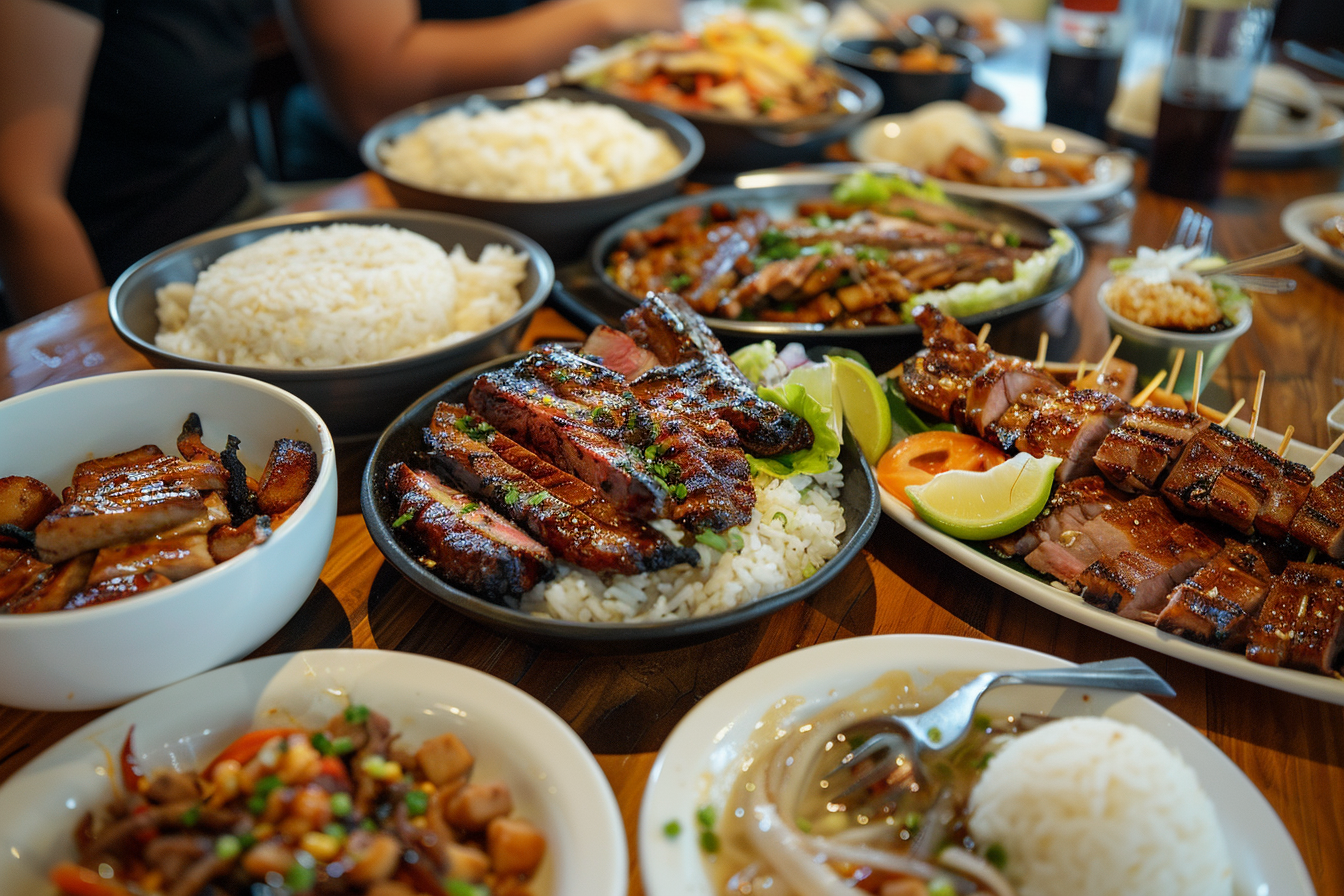
Practical differences across major regions—ingredients, heat, coconut, seafood—and how to use that when ordering Filipino food in Quezon City.
Introduction
When a menu says "Filipino," it might mean Tagalog comfort food, Bicolano coconut-and-chili heat, Visayan seafood, or Mindanao spice and halal-friendly beef dishes—sometimes all on one Metro Manila card.
This guide is regional comparison only: how Luzon, Visayas, and Mindanao differ in default ingredients and heat. For the timeline of trade and colonization, read Filipino cuisine: history and what to order first. For why foreign techniques blended with local tastes, read cultural influences explained.
Geography and default ingredients
This section is about terrain and coasts, not a timeline. Luzon holds the largest northern landmass and mountain agriculture—think more pork and beef in many lowland kitchens, and vinegar-heavy northern plates. The long eastern seaboard (including Bicol) is where coconut and chili often dominate. The Visayas is an island chain: fish, shellfish, and quick grilling matter more than a single “Visayan” capital. Mindanao has diverse Muslim and non-Muslim communities; spices, coconut, and beef or goat dishes are more visible than in much of Luzon, and halal considerations matter in many households.
Quezon City menus mix these signals because people migrate for work. Ask whether a dish is Bicolano, Cebuano, Ilocano, or “Manila-style” if the name is vague.
Regional Cuisine Traditions
Luzon
Luzon cuisine includes Tagalog dishes like kare-kare and paksiw, Kapampangan specialties such as sisig and tocino, Ilocano vinegar-heavy preparations like pinakbet and bagnet, and Bicolano cooking with coconut and chili. Manila and Quezon City sit at the crossroads of these traditions, with Filipino restaurants serving dishes from multiple regions. The Tagalog region contributes kare-kare and dinuguan; Kapampangan cooking is often called the culinary capital of the Philippines; Ilocano cuisine is known for its bold use of vinegar and bagnet; Bicolano food features laing and Bicol Express with gata (coconut milk) and siling labuyo.
Visayas
Visayan cuisine emphasizes seafood. Kinilaw (ceviche-style fish) and inasal (grilled poultry) are standouts. Cebu is famous for its lechon; the Visayas also contribute seafood stews and coconut-based preparations. The region's proximity to the sea shapes its flavor profile—fresh fish, vinegar-cured preparations, and grilled dishes dominate. Bacolod's chicken inasal and Negros specialties add to the diversity.
Mindanao
Mindanao adds Muslim-influenced flavors—spices, coconut milk, and beef-based dishes that differ from the pork-heavy north. Maranao and Tausug cuisines feature turmeric, lemongrass, and coconut in preparations like piyanggang and tiyula itum. Each region uses local ingredients and family recipes passed down through generations. The diversity means that Filipino cuisine is really a collection of regional cuisines, united by shared staples like rice and a communal dining ethos. Exploring these traditions—whether through a Bicolano restaurant, an Ilocano carinderia, or a Visayan seafood spot—reveals the depth of Philippine food culture.
Ordering cues: what to look for on the menu
Use this as a quick map—not a rulebook. Names on Metro menus can be vague.
Want coconut and chili? Scan for Bicolano labels (laing, Bicol Express). Want clean sourness and crisp pork? Ilocano-leaning bagnet or pinakbet-style plates. Want seafood and smoke? Visayan kinilaw, inasal, or Cebu-style lechon. Want Mindanao spice or coconut beef stews? Look for southern specialties or halal markers; ask if unsure.
Adobo and sinigang appear everywhere; the regional read is in the ratio of soy to vinegar, or the souring fruit—not in the word alone. When in doubt, ask staff which region the kitchen leans toward.
Shared plates across regions
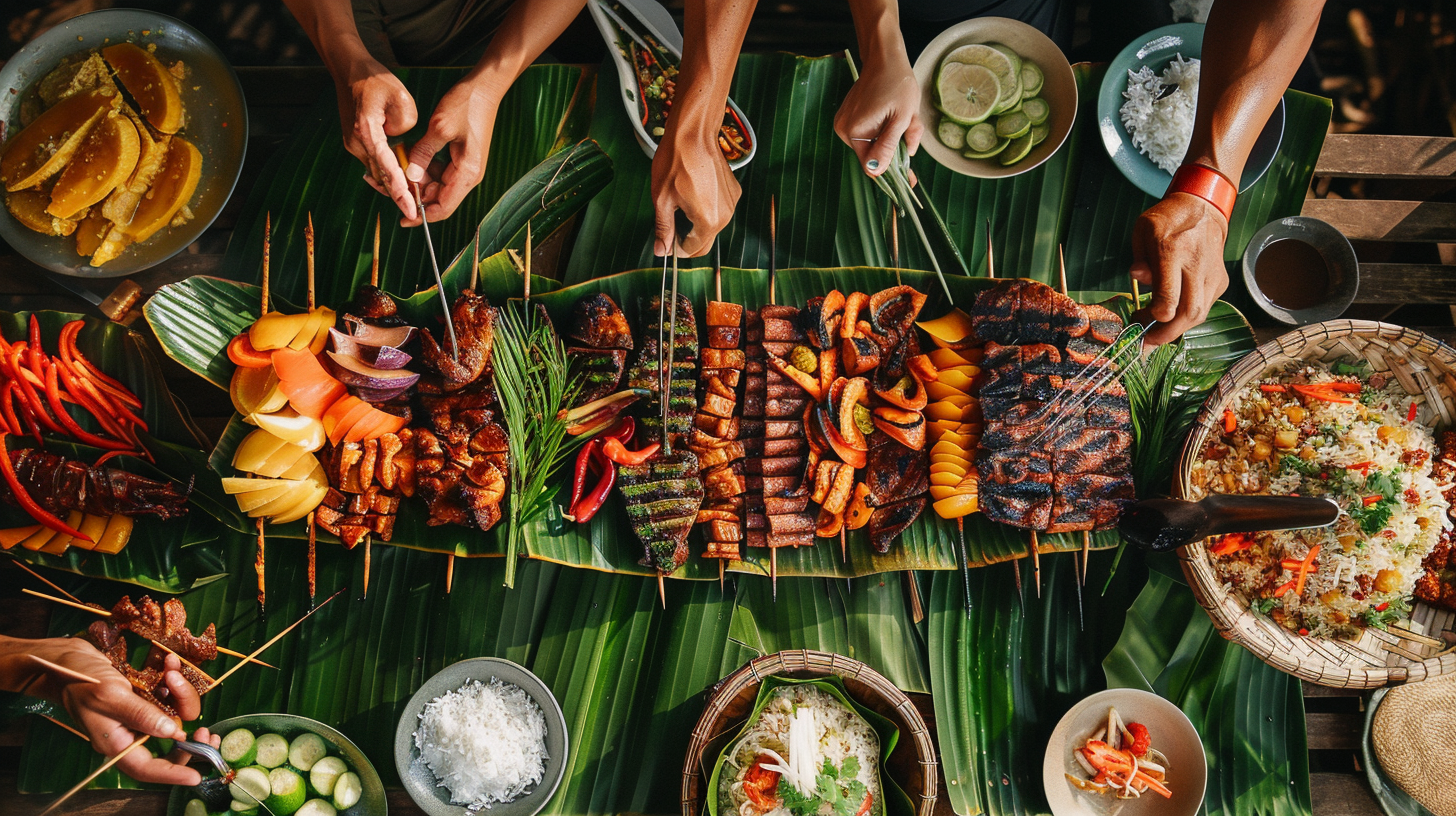
Communal eating is shared nationwide, but what lands on the platter depends on the region above. In QC, ordering family-style still works: pick one Luzon-heavy dish, one lighter seafood or grill, and rice—then adjust next visit.
Etiquette and kamayan detail live in Filipino dining culture and customs.
Three ways to taste regional variety in Quezon City
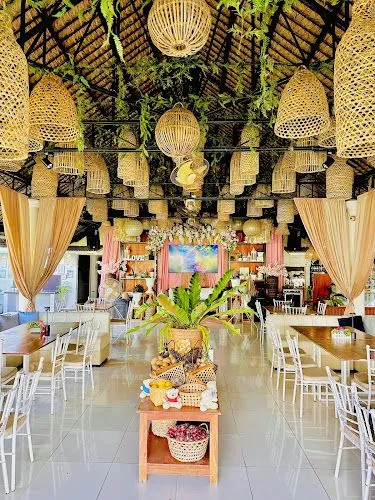
No single restaurant can stand in for Luzon, Visayas, and Mindanao. Instead, we use three different formats: a Pampanga-rooted buffet brand (Cabalen), a Chinese-Filipino grill-and-hot-pot spread (Tong Yang), and Grace Park for chef-led Filipino and regional ingredients in a mall setting. Together they are a tour, not a census.
Frequently Asked Questions
What is Filipino cuisine known for?
Filipino cuisine is known for its blend of sour, savory, and sometimes sweet flavors. Key traits include regional diversity, iconic dishes like adobo and sinigang, rice as a staple, and a strong tradition of communal dining and street food.
What are the most famous Filipino dishes?
Signature dishes include adobo (vinegar-braised meat), sinigang (sour soup), lechon (roast pig), pancit (noodles), and kare-kare (oxtail in peanut sauce). Each region adds its own variations using local ingredients.
How did colonial influences shape Philippine food?
Chinese traders brought noodles and stir-frying; Spanish colonization introduced tomatoes, garlic, and slow braises; the American period added processed foods and baking. These layers merged with indigenous Austronesian cooking, creating a distinct Filipino culinary identity.
What is kamayan dining?
Kamayan is a Filipino tradition of eating with hands on banana leaves. Grilled meats, seafood, rice, and vegetables are spread on the leaves, and diners eat without utensils. It embodies the communal spirit of Filipino dining and connects to pre-colonial Austronesian roots.
Sources
Where to eat next
Listed spots match this guide’s topic using live cuisine tags in our directory. If something looks off, tell us.
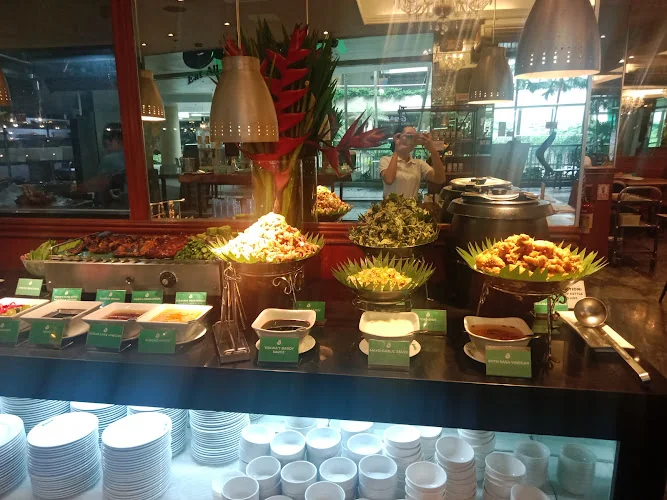
Cabalen All Time Buffets
Quezon City · ₱₱ · Buffet
★ 4.2
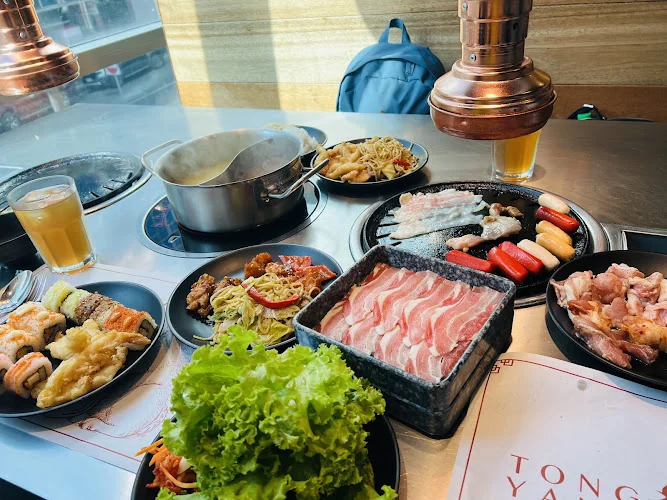
Tong Yang - Gateway Mall 2
Cubao · ₱₱ · Hot pot
★ 5.0
Grace Park Dining by Margarita Forés - Gateway Mall 2
Cubao · ₱₱ · Filipino
★ 4.8
Shortlist in Quezon City — openings and menus change; confirm hours before you go.

Written by Zachary Siecinski
Lead food writer · Restaurants Quezon City
Zach has been covering the Quezon City dining scene since 2018, with a focus on fair, practical recommendations — what to order, what it costs, who it suits, and what to skip. He writes the neighbourhood guides, best-of lists, and in-depth restaurant reviews.
More Articles
Filipino American Food: Origins and Why the Table Looks Familiar
How migration shaped Filipino American cooking—potlucks, pantry shortcuts, and dishes that feel both familiar and distinctly Filipino—and where to taste Filipino food in Quezon City.
Filipino Cuisine: History, Regions, and What to Order First
How Philippine food developed over time—from island staples to trade and colonial layers—and a short list of reliable first orders in Quezon City.
Filipino Dining Culture and Customs
Filipino dining culture — kamayan, communal eating, merienda and pulutan, and where to experience authentic Filipino dining in Quezon City.
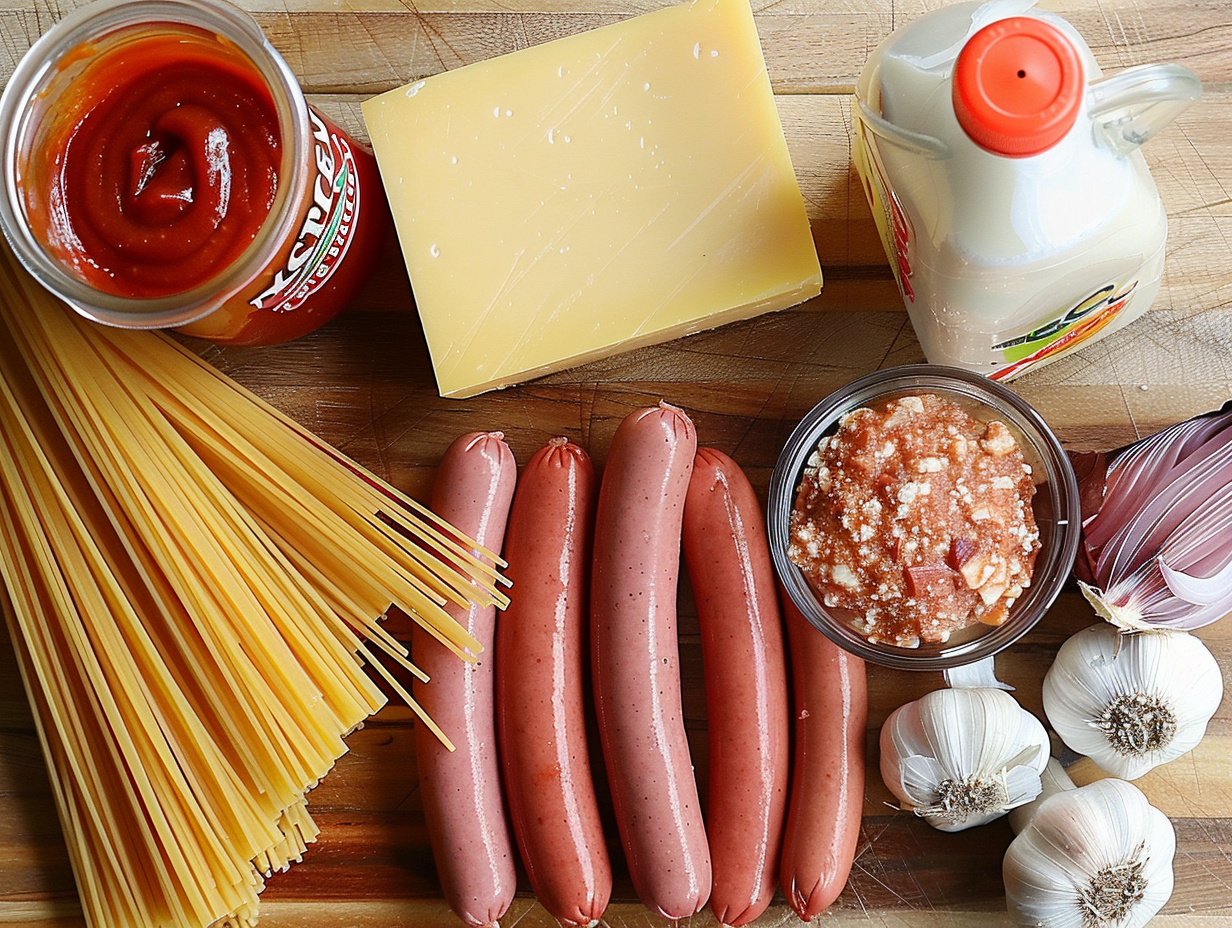
Filipino Spaghetti: Sweet Style, Parties, and How It Got This Way
What makes Filipino spaghetti different from Italian pasta, why it is a birthday-plate staple, and where to find Filipino comfort food in Quezon City.